
 Heart & Blood Pressure
Heart and blood-pressure medicines work in different ways and are often used together. Choice depends on the diagnosis, blood-pressure pattern, heart rhythm, kidney function and other health conditions.
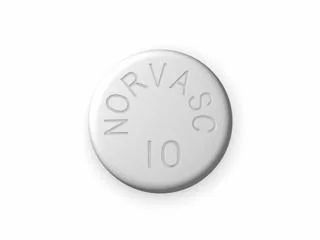




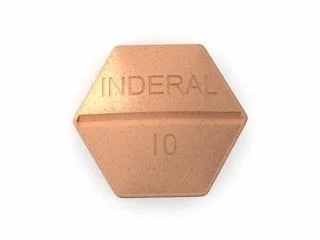
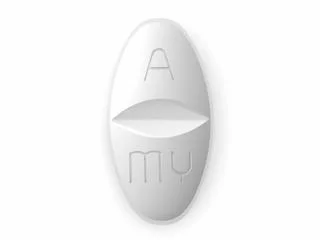

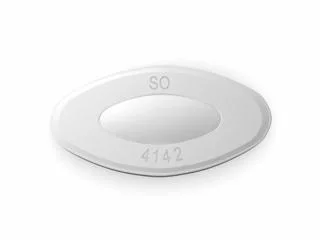
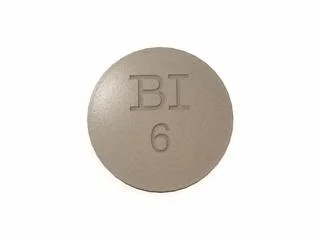
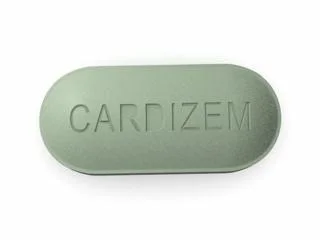

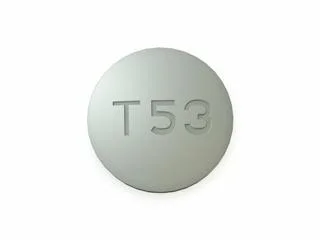
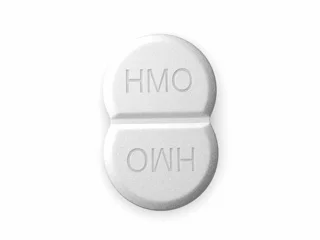

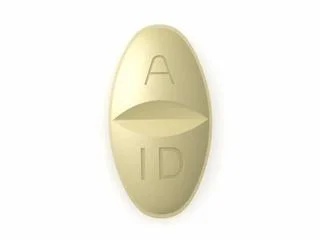
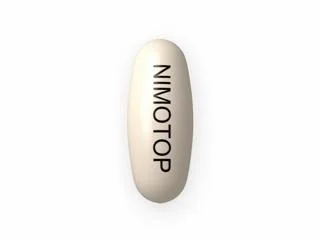
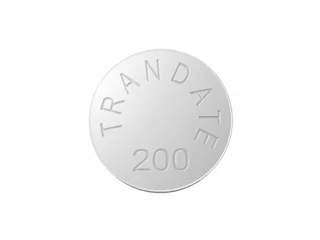
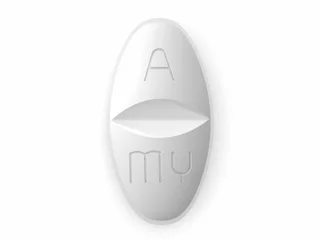

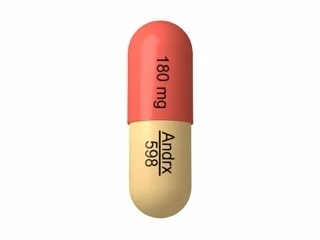
Inderal LA
40mg
Inderal LA is propranolol 40mg in a modified-release capsule for hypertension, angina, migraine prophylaxis and essential tremor. Both beta-1 and beta-2.

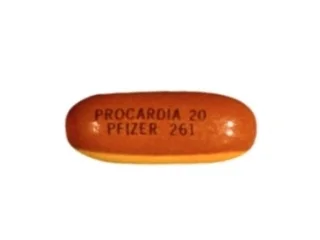

Amiodarone Tablets
100 · 200mg
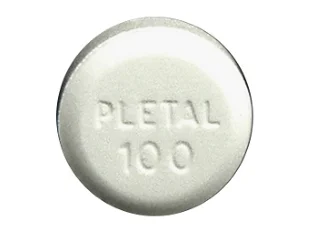
Amiodarone 100mg and 200mg tablets, used in the management of arrhythmia. A class III antiarrhythmic that lengthens the cardiac action potential.
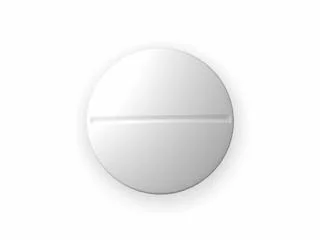
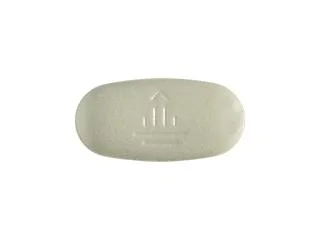

Digoxin Tablets
0.25mg
Digoxin 0.25mg tablets, used in the management of heart failure and atrial fibrillation. A cardiac glycoside that inhibits the sodium-potassium pump.
Candesartan Tablets
4 · 8 · 16mg
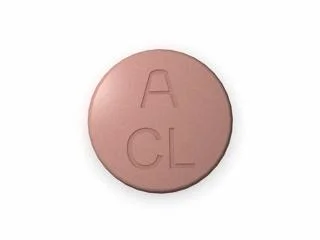
Candesartan 4mg, 8mg and 16mg tablets, used in the management of hypertension and chronic heart failure. An angiotensin II receptor blocker.
Warfarin Tablets
1 · 2 · 5mg
Warfarin 1mg, 2mg and 5mg tablets, used in the management of atrial fibrillation, thromboembolism and deep vein thrombosis. A vitamin K antagonist.
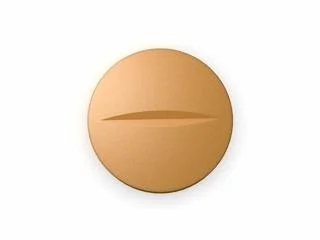
Amiloride Tablets
5mg
Amiloride 5mg tablets, used in the management of hypertension and oedema. A potassium-sparing diuretic: sodium and water leave, potassium is held back.

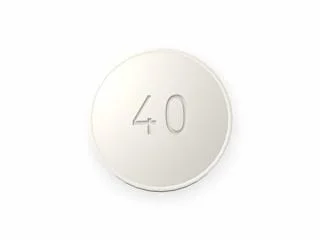
Azilsartan and Chlorthalidone Tablets
40/12.5mg
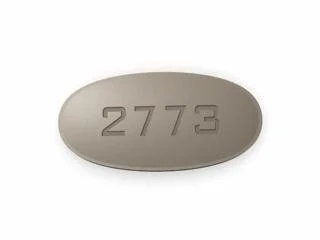
Azilsartan with chlorthalidone as a 40/12.5mg film-coated tablet for hypertension. An angiotensin receptor blocker paired with a thiazide-like diuretic.

Rivaroxaban Tablets
10mg
Rivaroxaban 10mg tablets, used in the management of deep vein thrombosis, pulmonary embolism and stroke prevention in atrial fibrillation.
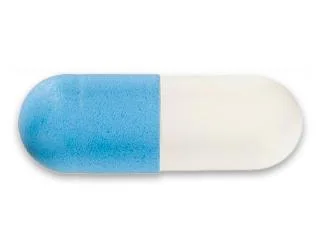





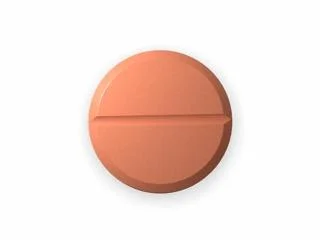
Procoralan
5mg
Ivabradine 5mg film-coated tablets, used in the management of stable angina pectoris. It slows the heart by inhibiting the If current alone.


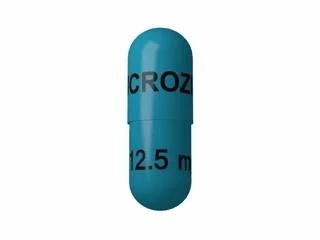


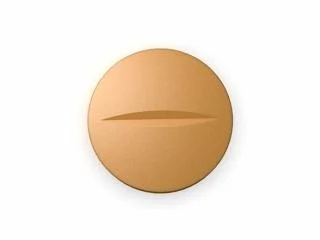


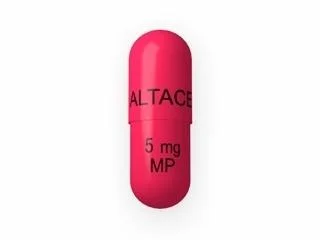

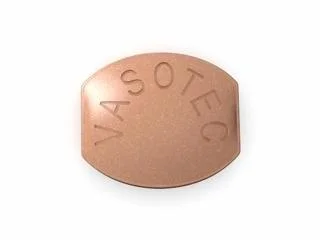

Zestoretic
Lisinopril, Hydrochlorothiazide
5/12.5g/mg
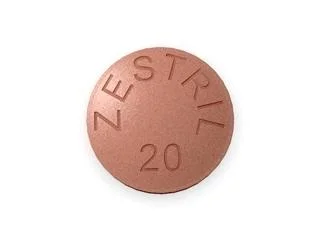
Lisinopril with hydrochlorothiazide as a tablet for hypertension. Two pathways at once: less angiotensin II, and more salt and water out.


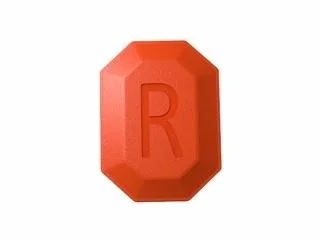

Isoptin SR
120 · 240mg
Isoptin SR is verapamil 120mg and 240mg in a modified-release tablet for hypertension, angina and arrhythmia, blocking calcium influx across the day.
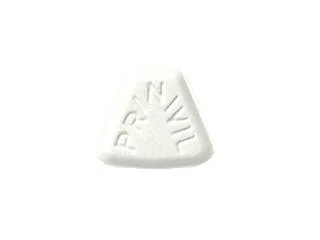



Edarbyclor
40/12.5mg
Edarbyclor pairs azilsartan with chlorthalidone in a 40/12.5mg tablet for hypertension, adding renal salt and water excretion to receptor blockade.


Vaseretic
Enalapril, Hydrochlorothiazide
10/25mg
Enalapril with hydrochlorothiazide as a 10/25mg tablet for hypertension. An ACE inhibitor to relax the vessels, a diuretic to shed salt and water.

Ziac
Hydrochlorothiazide, Bisoprolol
2.5/6.25mg
Hydrochlorothiazide with bisoprolol as a 2.5/6.25mg film-coated tablet for hypertension. A cardioselective beta-blocker paired with a thiazide.



Tribenzor
Olmesartan, Amlodipine, Hydrochlorothiazide
20/5/12.5 · 40/5/12.5mg
Olmesartan, amlodipine and hydrochlorothiazide in one film-coated tablet for hypertension. Receptor blockade, calcium blockade and a diuretic together.

Apresoline
25mg
Hydralazine 25mg tablets, used in the management of hypertension and heart failure. A vasodilator that relaxes arterial smooth muscle directly.
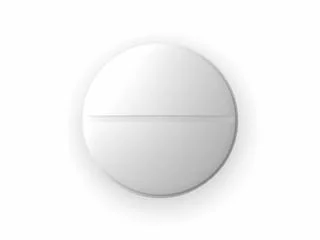
Micardis HCT
Telmisartan, Hydrochlorothiazide
40/12.5 · 80/12.5mg
Micardis HCT pairs telmisartan with hydrochlorothiazide in 40/12.5mg and 80/12.5mg tablets for hypertension, a sartan with a thiazide diuretic.


Benicar HCT
Olmesartan, Hydrochlorothiazide
20/12.5 · 40/12.5mg
Benicar HCT pairs olmesartan with hydrochlorothiazide in 20/12.5mg and 40/12.5mg tablets for hypertension, adding a diuretic to the receptor blocker.

Key points
- Calcium-channel blockers, ACE inhibitors, ARBs, beta blockers and diuretics are not interchangeable.
- Blood pressure, pulse, kidney function or electrolytes may need monitoring, depending on the medicine.
- Chest pain, stroke signs, fainting or severe breathlessness require urgent medical help.
Select a listed product and pack to order online. Suitability and supply depend on clinician and pharmacy checks, stock, destination rules and any prescription requirements.
How the medicine groups differ
- Calcium-channel blockers: amlodipine and verapamil affect blood vessels or heart rate to different degrees.
- ACE inhibitors and ARBs: lisinopril and olmesartan act on the renin-angiotensin system and require kidney, potassium and pregnancy checks.
- Beta blockers: metoprolol slows the heart and may be used for selected heart or blood-pressure conditions.
- Diuretics: hydrochlorothiazide increases salt and water excretion and can affect electrolytes.
What these medicines are used for
Linked conditions include hypertension, angina pectoris, heart failure and arrhythmia. Many of these overlap, so the same ingredient can appear under more than one heading, but the target dose and the monitoring differ by condition. Blood pressure, heart rate, kidney function and potassium are the usual checks.
Important safety checks
Tell the clinician or pharmacist about pregnancy, kidney disease, asthma, gout, low blood pressure, a slow pulse and all other medicines. Do not stop a beta blocker or other long-term heart medicine suddenly unless a clinician directs you.
When to seek urgent care
Call emergency services for chest pressure or pain, severe breathlessness, fainting, a new irregular heartbeat with weakness, or stroke signs such as facial droop, arm weakness or speech difficulty.
Further reading
Related articles

Compare beta blockers by receptor selectivity, indication, formulation and monitoring rather than assuming equal milligrams or a class-wide effect.
Read guide
Understand how statin intensity is compared, why milligram numbers do not translate directly between ingredients, and which clinical factors matter.
Read guide
23 Sept 2026
Heart-Failure Medicines Have Different Jobs
Understand why diuretics, renin-angiotensin medicines, selected beta blockers, MRAs and SGLT2 inhibitors are not interchangeable in heart failure.
Read guide
22 Sept 2026 ⋅ 7 min read
ACE Inhibitors: Cough, Potassium, Kidneys and Monitoring
Understand why ACE inhibitors can affect cough, potassium and kidney blood tests, and which symptoms or circumstances need prompt review.
Read guide
22 Sept 2026 ⋅ 7 min read
Antiplatelets vs Anticoagulants: Not Interchangeable
Understand how antiplatelet and anticoagulant medicines act on different parts of clot formation, and why indication and duration matter.
Read guide
22 Sept 2026 ⋅ 6 min read
Blood Thinners, Painkillers, Supplements and TCM
What anticoagulant and antiplatelet users should tell a pharmacist about NSAIDs, aspirin, supplements, traditional medicines and bleeding.
Read guide