
 Antifungals
Antifungals treat specific fungal or yeast infections. A rash or nail change is not always fungal, so the site, severity and diagnosis determine whether a topical or oral medicine is appropriate.
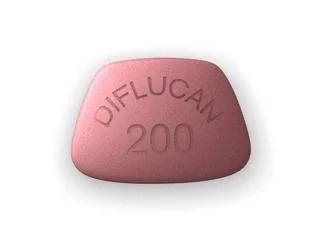
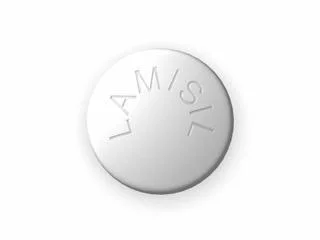

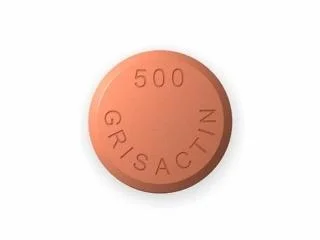
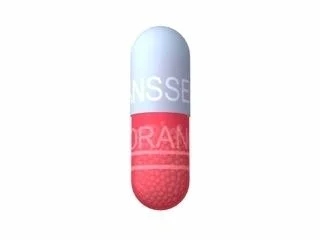
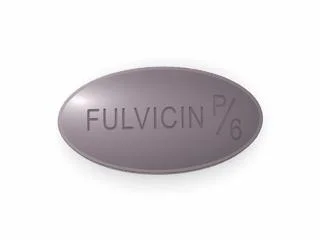
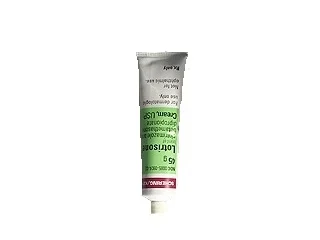
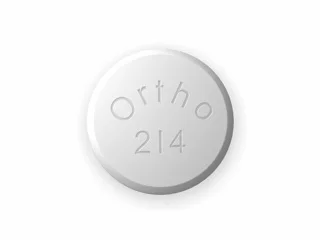
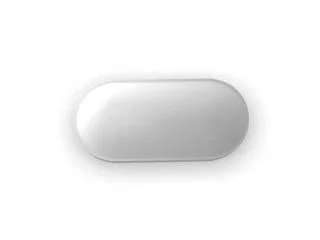
Grifulvin V
250mg
Grifulvin V is griseofulvin 250mg tablets for tinea capitis, tinea corporis and tinea pedis. It binds microtubular proteins and disrupts the mitotic spindle.
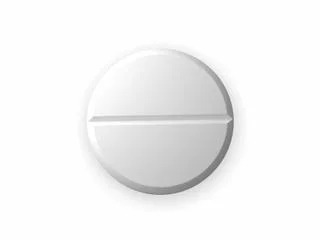

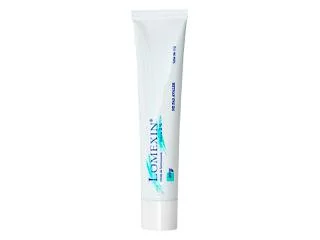
Lomexin Cream
30g
Lomexin Cream is fenticonazole in a 30g tube for candidiasis, applied to the skin. It blocks ergosterol synthesis in the fungal cell membrane.
Key points
- Topical antifungals are commonly used for limited skin infections, while scalp, nail or widespread disease may need clinical assessment and oral treatment.
- Oral antifungals can interact with other medicines and may require liver or other safety checks.
- A painful, rapidly spreading or treatment-resistant rash should be assessed rather than repeatedly treated as a fungal infection.
Select a listed product and pack to order online. Suitability and supply depend on the diagnosis and clinician or pharmacy checks where required.
How the medicine groups differ
Topical medicines such as ketoconazole and fenticonazole act at the treated site. Oral agents such as terbinafine, itraconazole and griseofulvin reach deeper or harder-to-treat sites but have more systemic interactions and precautions.
What antifungals are used for
This category includes medicines used for tinea corporis, tinea pedis, candidiasis and tinea capitis. The correct treatment can differ by body site and organism; scalp and nail infections may need testing.
Important safety checks
Pregnancy, liver disease, heart conditions and other medicines can affect antifungal choice. Avoid combining an antifungal with a steroid cream unless a clinician has advised it, because steroids can alter the appearance or worsen some infections.
When to seek urgent care
Get prompt medical care for fever, severe pain, rapidly spreading redness, facial or eye involvement, extensive blistering, or infection in a person with a weakened immune system. Seek urgent advice for yellow skin or eyes, dark urine or severe abdominal symptoms while taking an oral antifungal.
Further reading
Related articles

22 Sept 2026 ⋅ 6 min read
Steroid Creams, Fungal Rashes and Hidden Ingredients
Why steroid potency, body site, infection and product source matter, and why a cream that reduces redness may not be treating the cause.
Read guide