
 Cholesterol Management
Lipid-lowering medicines reduce selected blood fats and can lower cardiovascular risk. Treatment choice depends on the lipid pattern, overall risk of heart attack or stroke, other conditions and tolerance of previous treatment.
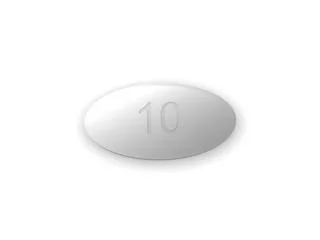
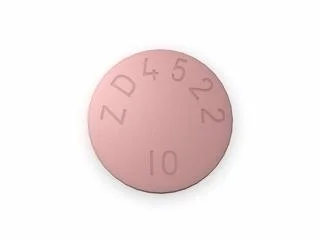
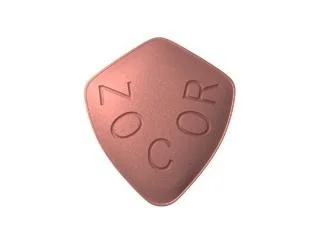




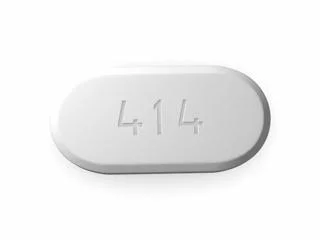
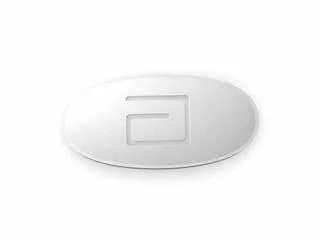
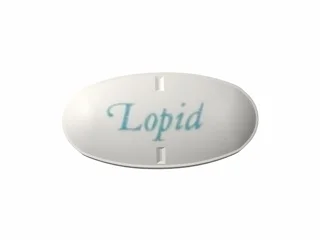
Key points
- Statins are commonly used to lower LDL cholesterol and cardiovascular risk, but the appropriate intensity depends on individual risk and response.
- Ezetimibe and fibrates have different targets and are used in selected situations rather than as interchangeable statin substitutes.
- Lifestyle measures remain useful, but prescribed medicine should not be stopped because a single cholesterol result improves.
Select a listed product and pack to order online. Product information is not a personal recommendation. Suitability and supply depend on clinician and pharmacy checks, laboratory results and prescription requirements.
How the medicine groups differ
Statins such as atorvastatin, rosuvastatin and simvastatin mainly reduce LDL cholesterol. Ezetimibe reduces cholesterol absorption and may be used alone or with another medicine in suitable patients. Fibrates such as fenofibrate primarily affect triglycerides and have their own interaction and monitoring considerations.
What these medicines are used for
This category includes medicines used for hypercholesterolaemia, mixed dyslipidaemia and cardiovascular risk reduction. A lipid result is interpreted alongside age, blood pressure, diabetes, smoking, kidney disease and established cardiovascular disease.
Important safety checks
Review pregnancy or pregnancy planning, liver or kidney problems, thyroid disease and all medicines or supplements. Some combinations increase muscle or liver adverse effects. Unexplained muscle pain or weakness should be discussed promptly, especially if severe or accompanied by dark urine.
When to seek urgent care
Seek urgent help for severe muscle pain or weakness with dark urine, facial or throat swelling, jaundice or a severe blistering rash. Chest pressure, sudden breathlessness, facial droop, one-sided weakness or speech difficulty may signal a heart attack or stroke and requires emergency care.
Further reading
Related articles

Understand how statin intensity is compared, why milligram numbers do not translate directly between ingredients, and which clinical factors matter.
Read guide
22 Sept 2026 ⋅ 7 min read
High Triglycerides vs Cholesterol-Lowering Treatment
Understand how triglyceride treatment differs from LDL-cholesterol treatment, including secondary causes, pancreatitis risk, statins and fibrates.
Read guide