
 Mental Health
Mental-health medicines are selected according to diagnosis, symptoms, physical health and previous response. Antipsychotics and anxiety medicines have different roles and should be reviewed as part of ongoing care.
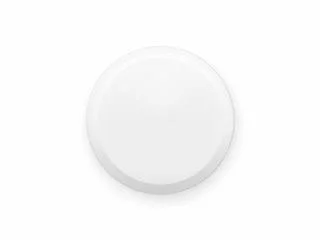
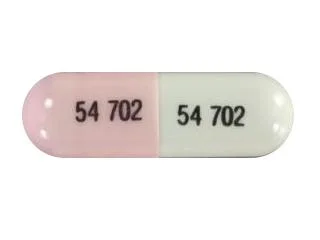
Lithium Tablets
300mg
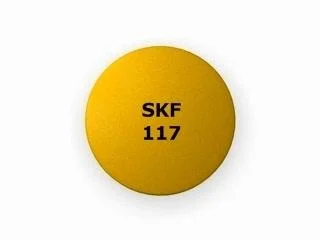
Lithium 300mg prolonged-release tablets, used in the management of bipolar disorder and recurrent depressive disorder. A mood stabiliser needing blood tests.
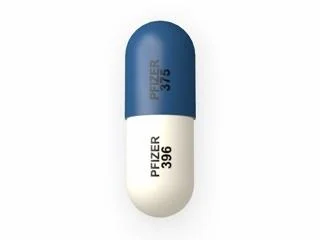
Key points
- Antipsychotics differ in sedation, movement, metabolic and heart-rhythm effects; response also varies by person.
- Do not start, switch or stop these medicines without clinical guidance, because abrupt changes can worsen symptoms or cause withdrawal effects.
- Thoughts of suicide, immediate danger, extreme agitation or inability to care for basic needs require urgent help.
Select a listed product and pack to order online. Supply depends on stock and destination rules; ask your doctor or pharmacist whether it suits you.
How the medicine groups differ
- Antipsychotics: risperidone, olanzapine, quetiapine and aripiprazole have different adverse-effect and monitoring profiles.
- Selected anxiety medicines: buspirone and hydroxyzine work differently and are not substitutes for every anxiety treatment.
What these medicines are used for
The category includes medicines used in care for schizophrenia, bipolar disorder and selected cases of anxiety. Response is usually gradual rather than immediate, and several need steady blood levels to work, which makes the schedule matter as much as the dose. Changes are made slowly and with review.
Important safety checks
The review may include weight, blood glucose, lipids, movement symptoms, heart rhythm, pregnancy and interactions with alcohol or other sedating medicines. Report marked restlessness, stiffness, tremor, fever or new involuntary movements promptly.
When to seek urgent care
Contact emergency or crisis services for suicidal intent, immediate risk of harm, severe confusion, extreme agitation or loss of contact with reality that creates danger. Fever with severe stiffness, collapse, seizure or breathing difficulty also needs emergency care.
Further reading
Which mental health medicines does SGMeds have?
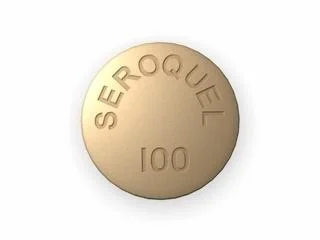
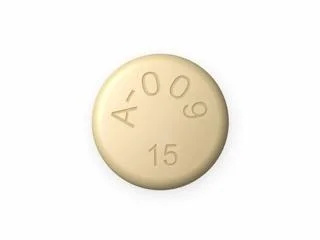
There are 13 mental health medicines on SGMeds, containing 12 different active ingredients such as risperidone, quetiapine and aripiprazole. They include Seroquel and Abilify, and the full list is on this page.
Which anxiety medicines can I order in Singapore?
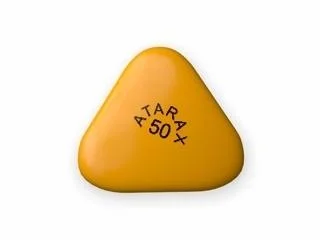
Medicines for anxiety on SGMeds include Buspar (buspirone) and Atarax (hydroxyzine).
What conditions are mental health medicines used for?
The mental health medicines listed here are used for schizophrenia, bipolar disorder, major depressive disorder, manic episodes and anxiety, though not every medicine is used for all of them.
Do mental health medicines come as tablets or other forms?
Most are tablets, and there are also capsules. Each product page lists the medicine's form and strengths.
How do I compare these mental health medicines?
Compare the active ingredient first: products with the same active ingredient contain the same medicine. Then compare strength, form and price per tablet. Each product page sets out what the medicine is used for, its side effects and its interactions. Check with a doctor or pharmacist first if you take other medicines, are pregnant or have a long-term condition.
Do I get brand-name or generic mental health medicines?
Generics. Even when a product is listed under a brand name, you receive a generic or branded generic with the same active ingredient at the strength you choose, not the original brand's pack. Brand names such as Risperdal and Zyprexa are there so you can find the medicine. The manufacturer varies with stock.
What you will receive →How much do mental health medicines cost in Singapore?
Every strength and pack size is priced on its product page, shown in Singapore dollars. The prices are converted from US dollars, so the exchange rate can change the final amount. Larger packs usually cost less per tablet.
Payment and prices →Can I buy mental health medicines over the counter in Singapore?
Yes, online: SGMeds does not ask for a prescription when you order mental health medicines. We place the order with our pharmacy partner, which prepares it and arranges delivery on your behalf.
Ordering without a prescription →Can I order mental health medicines online in Singapore?
Yes. Pick the product, strength and pack, add it to your cart and check out. We deliver to Singapore and Malaysia: Express shipping is tracked and takes up to 1 week, Regular shipping up to 3 weeks.
How ordering works →Related articles

Compare SSRI, SNRI, mirtazapine and older antidepressant classes by treatment role, expected timeline, side-effect profile and withdrawal planning.
Read guide
22 Sept 2026 ⋅ 7 min read
Antipsychotic Medicines Differ in Formulation, Effects and Monitoring
Compare oral and long-acting antipsychotic formulations and understand why metabolic, movement, hormonal and heart monitoring differs.
Read guide
22 Sept 2026 ⋅ 7 min read
Anxiety Medicines: Daily Treatment vs Short-Term Relief
Understand why daily SSRI or SNRI treatment and short-term anxiety medicines have different roles, timelines, risks and review questions.
Read guide
22 Sept 2026 ⋅ 7 min read
Bipolar Medicines Require Different Monitoring
Understand why lithium, lamotrigine, antipsychotics and valproate have different roles, interactions, pregnancy risks and monitoring needs.
Read guide