Azilsartan and Chlorthalidone Tablets
Hypertension
40/12.5mg
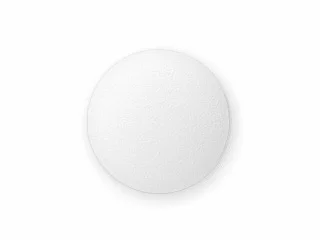
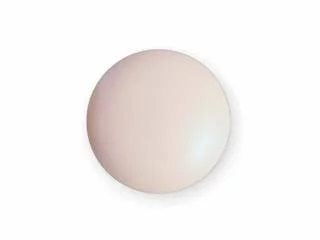
Azilsartan with chlorthalidone as a 40/12.5mg film-coated tablet for hypertension. An angiotensin receptor blocker paired with a thiazide-like diuretic.
From$1.35/ tabletView
Chlorthalidone is a long-acting thiazide-like diuretic used to lower blood pressure or reduce selected fluid retention. It can alter sodium, potassium, kidney function and glucose. Listed uses include hypertension and oedema.
Hypertension
40/12.5mg
Azilsartan with chlorthalidone as a 40/12.5mg film-coated tablet for hypertension. An angiotensin receptor blocker paired with a thiazide-like diuretic.
Hypertension
40/12.5mg
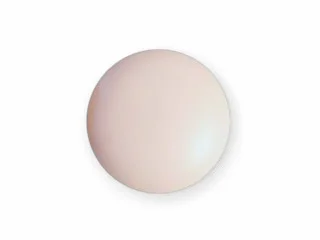
Edarbyclor pairs azilsartan with chlorthalidone in a 40/12.5mg tablet for hypertension, adding renal salt and water excretion to receptor blockade.
Select a listed product and pack to order online. Ask your doctor or pharmacist whether it suits you and what laboratory monitoring it needs.
Chlorthalidone increases sodium and water excretion by the kidneys and has a prolonged blood-pressure effect.
Review kidney or liver disease, gout, diabetes, low sodium or potassium, pregnancy and interacting medicines such as lithium, NSAIDs, digoxin or other blood-pressure treatments. Blood pressure, kidney function and electrolytes may need monitoring.
Seek urgent help for fainting, severe confusion, a seizure, marked weakness, a new irregular heartbeat, very little urine, severe eye pain or facial swelling and breathing difficulty.