
 Eye Care
Medicated eye drops and ointments are selected according to the diagnosed eye problem. Redness alone does not show whether the cause is infection, allergy, dryness, injury or inflammation.
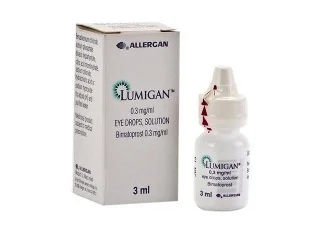
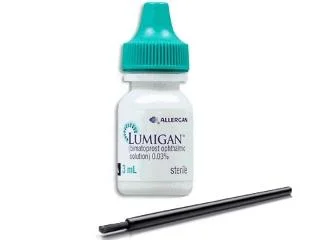
Lumigan + Applicators
3ml
Lumigan with applicators pairs the 3ml bimatoprost eye drops with applicators for glaucoma and ocular hypertension. Pressure falls as outflow rises.
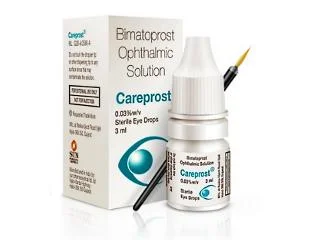
Careprost + Applicators
3ml
Careprost with applicators supplies bimatoprost 3ml eye drops and the applicators, for glaucoma and ocular hypertension. It drains fluid from the eye.
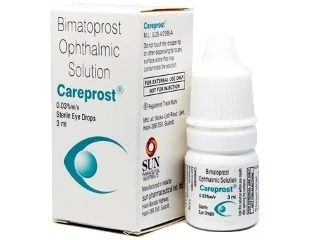
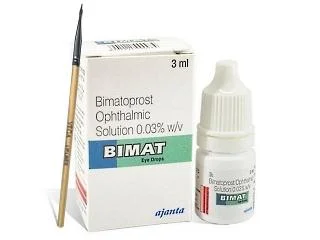
Bimat + Applicators
3ml
Bimat with applicators is bimatoprost eye drops in a 3ml bottle for glaucoma and ocular hypertension. A prostaglandin analogue that raises fluid outflow.
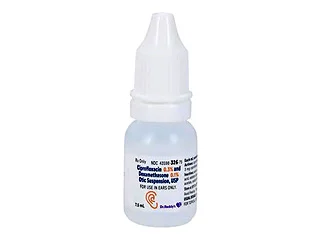
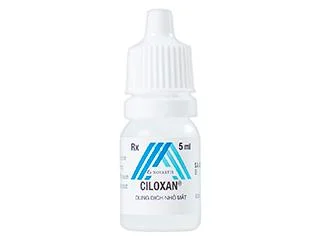
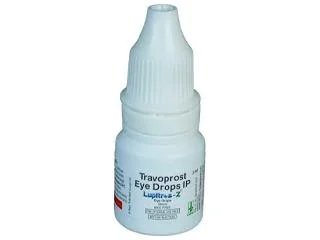
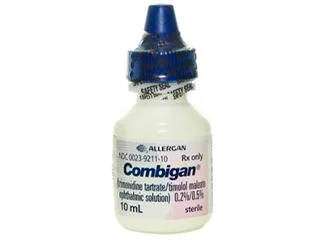
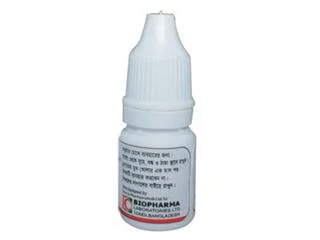
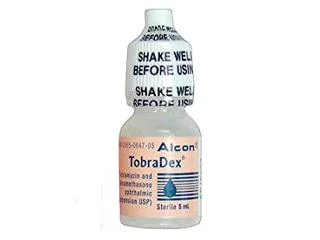
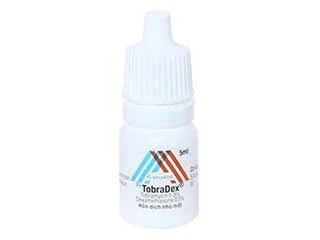
Tobramycin and Dexamethasone Eye Drops
0.1/0.3%
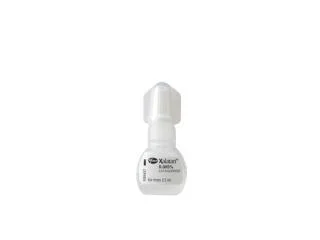
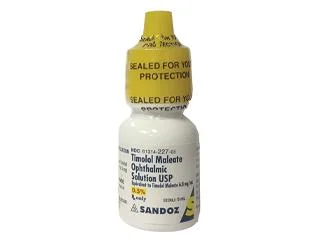
Tobramycin with dexamethasone 0.1/0.3% eye drops for bacterial ocular infection and ocular inflammation, an antibiotic and a steroid in one bottle.
Key points
- Glaucoma, antibiotic and steroid eye medicines have different purposes and should not be substituted for one another.
- Steroid drops can worsen some infections, while unnecessary antibiotics will not treat viral or allergic eye problems.
- Sudden vision change, severe eye pain, chemical exposure or a red painful contact-lens eye needs urgent assessment.
Select a listed product and pack to order online. Suitability and supply depend on clinician and pharmacy checks, stock, destination rules and any prescription requirements.
How the medicine groups differ
- Pressure-lowering drops: bimatoprost, timolol and dorzolamide lower eye pressure through different mechanisms.
- Antibiotic drops: ciprofloxacin and tobramycin are used for selected bacterial eye infections.
- Anti-inflammatory drops: dexamethasone may be prescribed for specific inflammatory conditions under clinical supervision.
What these medicines are used for
Linked conditions include glaucoma, ocular hypertension, bacterial conjunctivitis and ocular inflammation. Pressure-lowering drops are used long term to protect the optic nerve, while antibiotic and anti-inflammatory drops treat short episodes. A steroid drop used on an undiagnosed red eye can worsen an infection, so the diagnosis comes first.
Important safety checks
Eye pressure, contact-lens use, eye injury, pregnancy and other health conditions can affect medicine choice. Use the prescribed eye only, avoid touching the bottle tip and do not share or reuse leftover drops for a new episode.
When to seek urgent care
Seek urgent eye care for sudden or rapidly worsening vision, severe pain, chemical splash, penetrating injury, marked light sensitivity, new flashing lights or a curtain-like shadow in vision.
Further reading
Related articles

Why lubricant, antibiotic, steroid and glaucoma drops have different roles, and why sterility, opening date and eye symptoms matter.
Read guide