
Clonidine
Clonidine reduces sympathetic nerve signalling and is used for selected blood-pressure or neurological indications. Abrupt withdrawal can cause dangerous rebound hypertension. Listed uses include menopausal flushing and migraine prophylaxis.
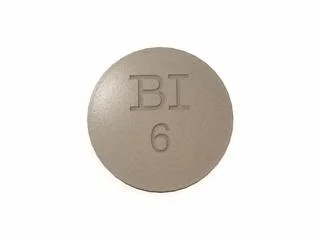
Key points
- Do not stop clonidine suddenly or allow treatment to run out without a prescriber plan.
- Drowsiness, dizziness, slow pulse and low blood pressure can impair driving and increase falls.
- Tablets, patches and other formulations have different instructions and are not directly interchangeable.
Select a listed product and pack to order online. Whether it suits you depends on indication and formulation; ask your doctor or pharmacist.
How it works
Clonidine stimulates central alpha-2 receptors, reducing sympathetic output. This can lower blood pressure and pulse and cause sedation or dry mouth.
Important safety checks
Review slow heart rate, fainting, kidney disease, depression, pregnancy and other sedatives or blood-pressure medicines. Patch products require specific skin, heat and disposal precautions.
When to seek urgent care
Seek urgent help for fainting, chest pain, severe headache with very high blood pressure after interruption, marked confusion, an unusually slow heartbeat, facial swelling or breathing difficulty.
Further reading
What is clonidine used for?
Clonidine is used for high blood pressure. It is also used for menopausal flushing and to help prevent migraines.
How does clonidine work?
Clonidine stimulates alpha-2 receptors in the brain stem. This reduces the nerve signals that tighten blood vessels, so blood pressure and pulse come down.
Which products contain clonidine?
Products containing clonidine on SGMeds include Catapres and Combipres. Compare their forms, strengths and pack sizes.
How long does clonidine take to work?
Clonidine starts working in about 30 to 60 minutes, and each dose lasts around 8 hours.
What are the side effects of clonidine?
Common side effects include dry mouth, drowsiness and dizziness. A very slow or irregular heartbeat needs urgent medical help, and so does new or worsening depression.
Can clonidine be taken with alcohol or other medicines?
Alcohol, sedatives and beta-blockers can all interact with clonidine. Check with a doctor or pharmacist before you take them together.
How much does clonidine cost in Singapore?
Each product on this page shows a price for each strength and pack size in Singapore dollars, converted from US dollars, so the exchange rate can change the final amount. Larger packs usually cost less per tablet.
Payment and prices →Do I need a prescription for clonidine in Singapore?
No. SGMeds does not ask for a prescription to order clonidine: we place the order with our pharmacy partner, which prepares it and arranges delivery on your behalf.
Ordering without a prescription →Can I buy clonidine online in Singapore?
Yes, here on SGMeds: choose the product, strength and pack, then check out. We deliver to Singapore and Malaysia. Express shipping is tracked and takes up to 1 week, and Regular shipping takes up to 3 weeks.
How ordering works →