
 Hair Loss
Pattern hair loss develops gradually, but not all hair loss has the same cause. Sudden, patchy, painful or scarring hair loss should be assessed before choosing treatment.
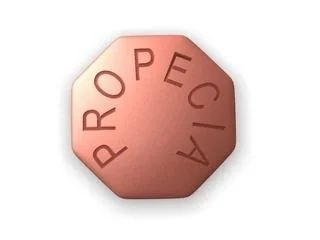





Key points
- Minoxidil and 5-alpha-reductase inhibitors work differently, and response varies between people.
- Benefits take time to assess and usually diminish after treatment is stopped.
- Rapid shedding, scalp inflammation, scarring or hair loss with other new symptoms needs medical review.
Select a listed product and pack to order online. Suitability and supply depend on clinician and pharmacy checks, stock, destination rules and any prescription requirements.
How the medicine groups differ
- 5-alpha-reductase inhibitors: finasteride and dutasteride reduce formation of dihydrotestosterone. Their approved uses and suitability can differ.
- Topical treatment: minoxidil is applied to the scalp and has different adverse effects and precautions from oral medicines.
What these medicines are used for
These medicines may be considered for diagnosed androgenetic alopecia. They do not treat every cause of hair shedding or scalp disease.
Important safety checks
Pregnancy or the possibility of pregnancy is an important consideration with finasteride and dutasteride, including handling damaged tablets. Discuss sexual adverse effects, fertility concerns, blood-pressure problems and scalp conditions with a clinician or pharmacist.
When to seek urgent care
Stop and seek urgent help for facial or throat swelling, breathing difficulty, fainting or another severe reaction. Arrange prompt assessment for painful scalp swelling, pus, extensive blistering or rapidly developing scarring.
Further reading
Related articles

Learn why alopecia areata treatment differs for a few recent patches, extensive loss, children and adults, and what JAK-inhibitor monitoring involves.
Read guide
22 Sept 2026 ⋅ 7 min read
Women's Hair Loss: Why Pattern and Cause Change the Treatment
Compare gradual patterned thinning with diffuse shedding, patchy loss and scalp disease before considering minoxidil or prescription options.
Read guide