
Heart Failure
Heart failure means the heart cannot fill or pump efficiently enough for the body’s needs. It can cause breathlessness, fatigue and fluid build-up, but treatment differs according to the underlying disease and how the heart is functioning.

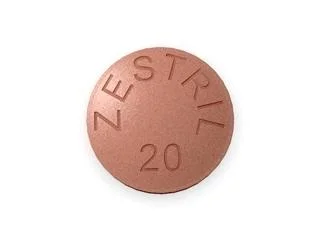

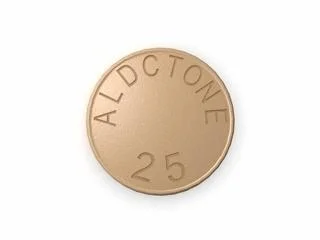
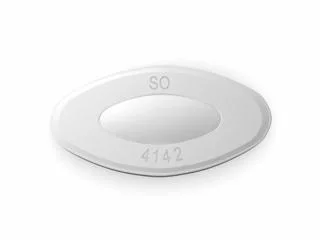
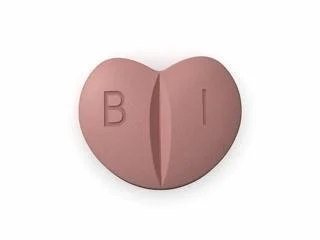
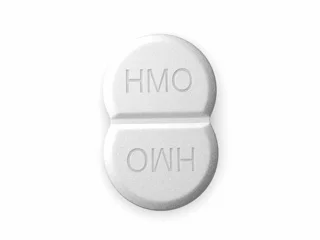
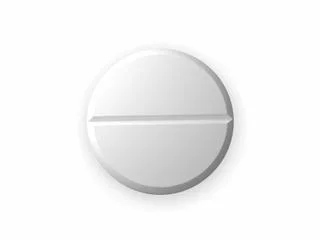
Digoxin Tablets
0.25mg
Digoxin 0.25mg tablets, used in the management of heart failure and atrial fibrillation. A cardiac glycoside that inhibits the sodium-potassium pump.
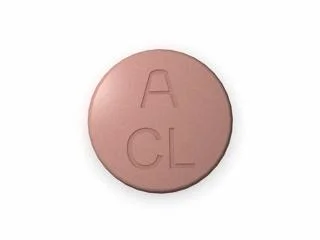
Candesartan Tablets
4 · 8 · 16mg
Candesartan 4mg, 8mg and 16mg tablets, used in the management of hypertension and chronic heart failure. An angiotensin II receptor blocker.
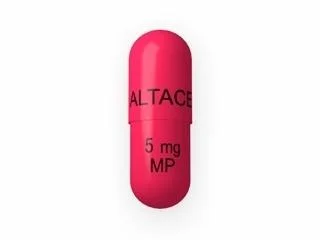

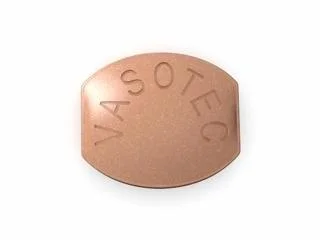
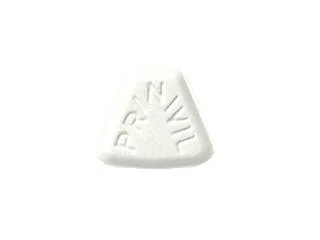


Apresoline
25mg
Hydralazine 25mg tablets, used in the management of hypertension and heart failure. A vasodilator that relaxes arterial smooth muscle directly.

Key points
- Echocardiography helps classify heart failure and guides which treatments improve outcomes.
- Several medicine classes are often combined, with kidney function, potassium and blood pressure monitored.
- Rapidly worsening breathlessness or fluid retention can signal decompensation and needs prompt action.
Heart-failure listings do not define a safe regimen; ejection fraction, rhythm, kidney function, blood pressure and other conditions must guide prescribing.
How is heart failure assessed?
Symptoms, examination, blood tests, ECG and echocardiography help distinguish heart failure from lung disease, anaemia and other causes of breathlessness. Clinicians also look for coronary disease, valve problems, hypertension or arrhythmia as treatable drivers.
What does treatment aim to do?
Medicines can reduce symptoms, hospitalisation risk and disease progression. Options may include ramipril, spironolactone or other classes selected for the heart-failure type. Combining them requires monitoring rather than self-adjustment. Daily weight and symptom trends can reveal fluid accumulation; see heart and blood pressure for class context.
When to seek urgent care
Call emergency services for severe breathlessness at rest, chest pain, fainting, confusion, blue lips or coughing pink frothy sputum. Rapid weight gain, increasing swelling or needing more pillows to breathe warrants prompt clinical contact.
Further reading
Related articles

Compare beta blockers by receptor selectivity, indication, formulation and monitoring rather than assuming equal milligrams or a class-wide effect.
Read guide
23 Sept 2026
Heart-Failure Medicines Have Different Jobs
Understand why diuretics, renin-angiotensin medicines, selected beta blockers, MRAs and SGLT2 inhibitors are not interchangeable in heart failure.
Read guide
22 Sept 2026 ⋅ 7 min read
ACE Inhibitors: Cough, Potassium, Kidneys and Monitoring
Understand why ACE inhibitors can affect cough, potassium and kidney blood tests, and which symptoms or circumstances need prompt review.
Read guide