
 Pain Management
Pain medicines work in different ways, and the safest choice depends on the cause of pain and a person’s other health conditions.

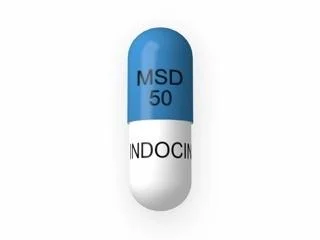
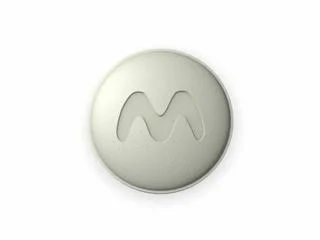
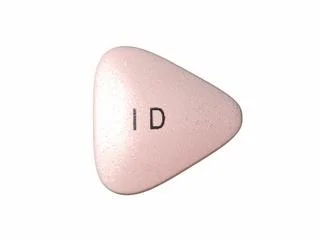
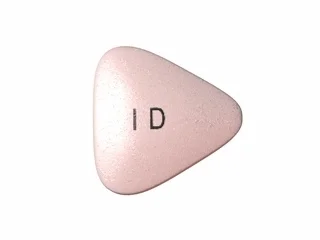
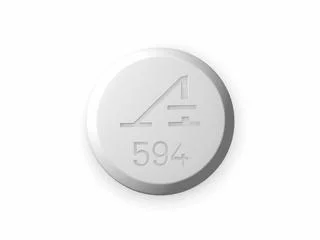
Voveran SR
100mg
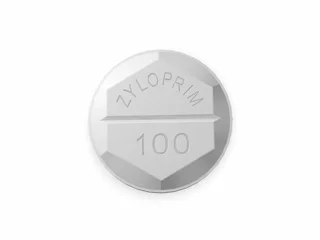
Voveran SR is diclofenac 100mg in a prolonged-release tablet for rheumatoid arthritis and osteoarthritis, releasing the NSAID gradually.
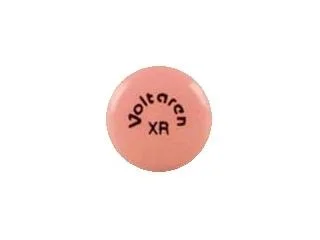
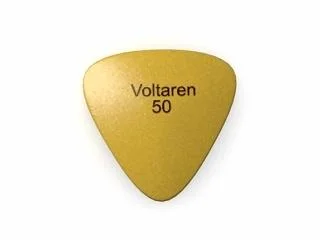
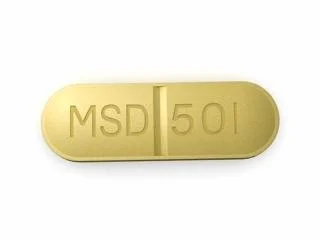
Voltaren SR
100mg
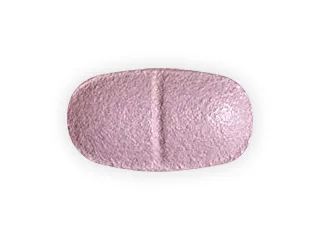
Voltaren SR is diclofenac 100mg in a modified-release tablet for rheumatoid arthritis, osteoarthritis and ankylosing spondylitis.
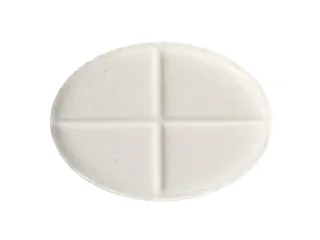


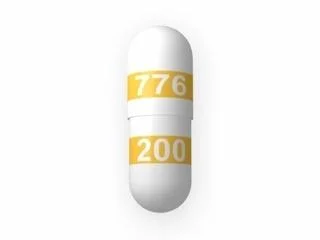
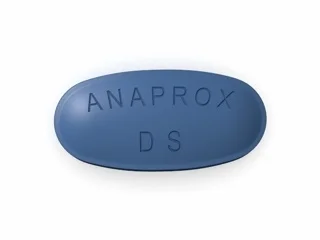
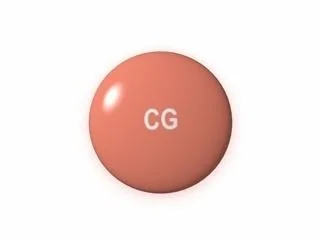
Aceclofenac Tablets
100 · 200mg
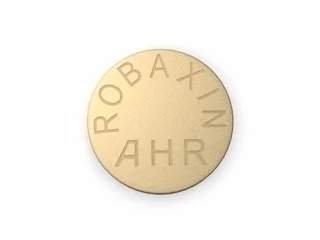
Aceclofenac 100mg and 200mg tablets, an NSAID used for rheumatoid arthritis, osteoarthritis and ankylosing spondylitis. Cyclooxygenase is the target.
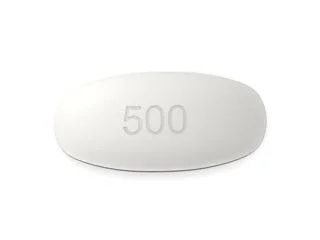
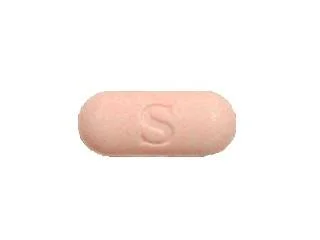


Medrol Active
4 · 8 · 16mg
Medrol Active is methylprednisolone 4mg, 8mg and 16mg tablets for inflammation and allergic states, a corticosteroid that damps the immune response.

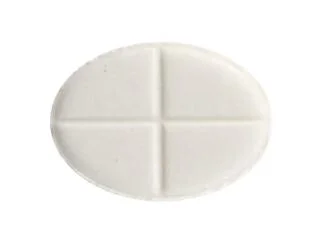
Colchicum Autumnale
0.5mg
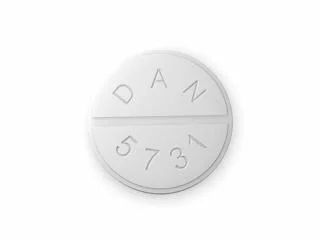
Colchicine 0.5mg tablets, used for gout. It blocks tubulin polymerisation, so neutrophils do not migrate into the inflamed joint.

Key points
- NSAIDs reduce pain and inflammation but can affect the stomach, kidneys, heart and blood pressure.
- Muscle relaxants may reduce spasm but can cause drowsiness and impair driving.
- Gout treatments have different roles in an acute flare and in longer-term prevention.
Select a listed product and pack to order online. Suitability and supply depend on clinician or pharmacy checks and any prescription requirements.
How the medicine groups differ
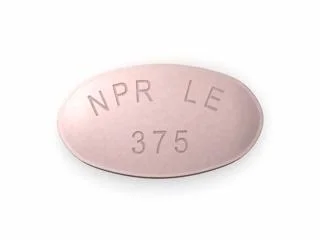
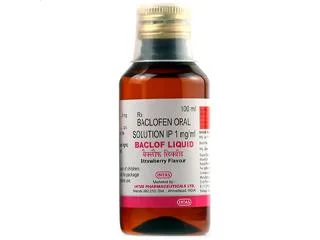
NSAIDs such as diclofenac and naproxen target pain and inflammation. Baclofen is used for muscle spasm. Colchicine and clinician-directed corticosteroids such as methylprednisolone may be used in selected inflammatory or gout flares.
What these medicines are used for
Uses may include rheumatoid arthritis, osteoarthritis, gout and ankylosing spondylitis. New, severe or persistent pain needs assessment rather than repeated self-treatment.
Important safety checks
Before using an NSAID, discuss ulcers or bleeding, kidney disease, heart disease, high blood pressure, asthma, pregnancy, anticoagulants and other NSAIDs. Muscle relaxants should not be mixed with alcohol or other sedatives without advice. Colchicine has important dose and interaction risks.
When to seek urgent care
Seek urgent help for chest pain, sudden weakness, vomiting blood, black stools, severe abdominal pain, very little urine, facial swelling or breathing difficulty. Sudden severe pain after injury, a hot swollen joint with fever, or new weakness or numbness also needs prompt assessment.
Further reading
Related articles

22 Sept 2026 ⋅ 6 min read
Blood Thinners, Painkillers, Supplements and TCM
What anticoagulant and antiplatelet users should tell a pharmacist about NSAIDs, aspirin, supplements, traditional medicines and bleeding.
Read guide
22 Sept 2026 ⋅ 6 min read
Gout Flare Medicine vs Uric-Acid-Lowering Medicine
Understand the different roles of colchicine, NSAIDs and corticosteroids for flares versus allopurinol and febuxostat for urate lowering.
Read guide
22 Sept 2026 ⋅ 6 min read
NSAID Painkillers in Heat: Kidney, Stomach and Heart Checks
Compare NSAIDs by kidney, stomach, bleeding and cardiovascular checks, not by which brand seems strongest, especially around dehydration.
Read guide
22 Sept 2026 ⋅ 5
OTC, Pharmacy-Only and Prescription-Only Medicines in Singapore
Understand Singapore's GSL, Pharmacy-Only and Prescription-Only medicine classes, and why catalogue visibility does not decide suitability or supply.
Read guide