
 Bladder Health
Medicines for overactive bladder can reduce urgency, frequency and leakage. Similar symptoms can result from infection, urinary retention, stones, diabetes or neurological conditions, so assessment matters before treatment.

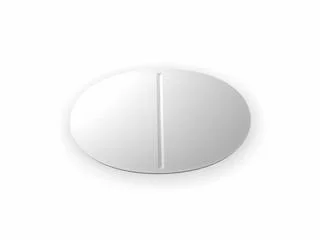
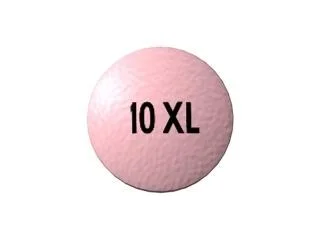


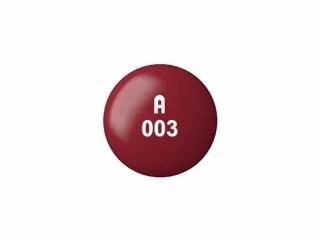
Phenazopyridine Tablets
200mg
Phenazopyridine 200mg tablets, used for urinary tract pain and dysuria. An azo dye that acts as a local analgesic on the bladder lining.
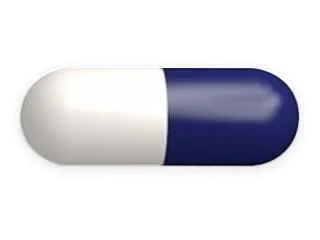

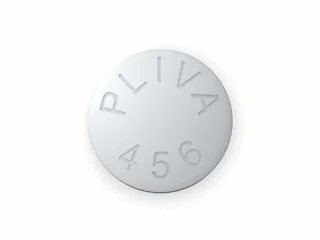



Urecholine
25mg
Bethanechol 25mg tablets, used in the management of urinary retention. A muscarinic agonist that mimics acetylcholine to contract the bladder.
Key points
- Antimuscarinics and other bladder medicines differ in effects on the bowel, eyes, cognition, blood pressure and ability to empty the bladder.
- Bladder training, fluid timing and management of contributing conditions may be used alongside medicine.
- Blood in urine, fever with flank pain or inability to pass urine requires prompt medical care rather than symptom treatment.
Select a listed product and pack to order online. Product information is not a diagnosis or recommendation. Suitability and supply depend on clinician and pharmacy checks and prescription requirements.
How the medicine groups differ
Antimuscarinics such as tolterodine, oxybutynin and solifenacin reduce involuntary bladder contractions but may cause dry mouth, constipation, blurred vision or cognitive effects. Mirabegron works through a different pathway and can affect blood pressure. Flavoxate has a separate role that depends on the diagnosis and local clinical practice.
What these medicines are used for
This category includes medicines used for overactive bladder, urinary urgency and urinary incontinence. They do not treat every cause of urinary frequency or leakage.
Important safety checks
A clinician may check urine, bladder emptying, blood pressure and current medicines. Glaucoma, severe constipation, urinary retention, kidney or liver problems and cognitive impairment can change the choice. Report difficulty passing urine after starting treatment.
When to seek urgent care
Seek urgent assessment for inability to urinate, blood or clots in urine, severe lower abdominal pain, fever with back or flank pain, vomiting, new leg weakness or numbness around the groin. New loss of bladder control with neurological symptoms is an emergency.