
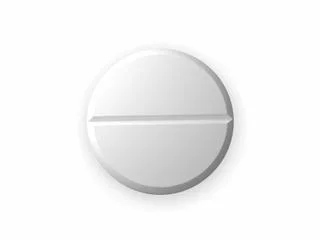
Digoxin Tablets
Heart Failure, Atrial Fibrillation
0.25mg
Digoxin 0.25mg tablets, used in the management of heart failure and atrial fibrillation. A cardiac glycoside that inhibits the sodium-potassium pump.
From$0.44/ tabletView
Digoxin is a cardiac glycoside used in selected people with Atrial Fibrillation or Heart Failure. The effective and toxic ranges can be close, so kidney function, interactions and symptoms matter.
Heart Failure, Atrial Fibrillation
0.25mg
Digoxin 0.25mg tablets, used in the management of heart failure and atrial fibrillation. A cardiac glycoside that inhibits the sodium-potassium pump.
Select a listed product and pack to order online. Product information is not a dose or treatment recommendation. Ask your doctor or pharmacist whether it suits you and what monitoring it needs.
Digoxin may be added when other treatments do not provide adequate heart-rate or symptom control. It does not suit every type of arrhythmia or heart failure, and treatment goals differ between conditions.
Clinicians may review kidney function, electrolytes, heart rhythm and, when indicated, a correctly timed blood level. Many medicines can alter digoxin concentration or heart rate, including some diuretics, antibiotics, antiarrhythmics and herbal products. Do not double a missed dose or stop treatment without product-specific advice.
Seek urgent help for fainting, severe dizziness, a very slow or irregular heartbeat, chest pain, breathing difficulty, marked confusion, repeated vomiting or new colour or halo-like vision changes. Suspected extra doses require prompt assessment even before symptoms appear.
Digoxin is a cardiac glycoside used for atrial fibrillation and heart failure. It may be added when other treatments do not control the heart rate or symptoms well enough.
Digoxin blocks the sodium-potassium ATPase pump in the heart muscle. This raises calcium inside the cells, which strengthens the heartbeat and slows conduction through the atrioventricular node.
The digoxin product on SGMeds is Digoxin Tablets, and its page gives the strengths and pack sizes.
In other countries, digoxin is also sold as Lanoxin. Brand names vary between countries, so compare products by their active ingredient.
Digoxin starts working within 1 to 2 hours. Its effects last around 3 to 4 days.
Common effects include nausea and vomiting, and dizziness or visual disturbances can also happen. An irregular heartbeat (cardiac arrhythmia) and digoxin toxicity are serious and need immediate medical attention.
Some medicines can change the digoxin level in your body or your heart rate, including certain water tablets (diuretics), amiodarone, verapamil and some herbal products. Ask your doctor or pharmacist to check your other medicines.
It is not suitable for people with ventricular tachycardia or ventricular fibrillation. A doctor or pharmacist can advise whether it suits you.
The product on this page shows a price for each strength and pack size in Singapore dollars, converted from US dollars, so the exchange rate can change the final amount. Larger packs usually cost less per tablet.
Payment and prices →Yes. SGMeds does not ask for a prescription to order digoxin: we place the order with our pharmacy partner, which prepares it and arranges delivery on your behalf.
Ordering without a prescription →Yes. Parcels go to Singapore and Malaysia by Express shipping (tracked, up to 1 week) or Regular shipping (up to 3 weeks).
How ordering works →