
 Antibiotics
Antibiotics treat susceptible bacterial infections. They do not treat colds, influenza or other viral infections, and choosing the wrong antibiotic can delay care and contribute to antimicrobial resistance.

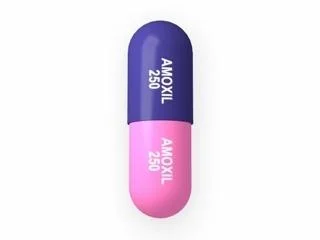

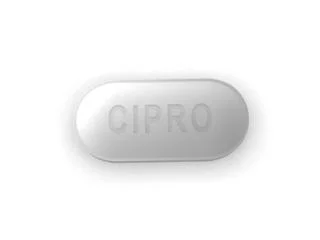
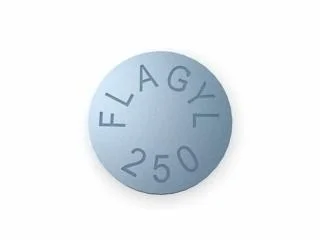
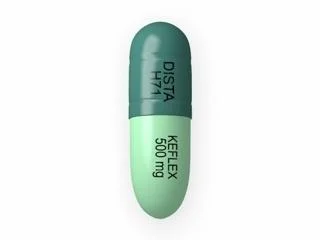

Tinidazole Tablets
500mg
Tinidazole 500mg tablets, used for giardiasis, trichomoniasis and anaerobic bacterial infection. It breaks DNA strands in susceptible organisms.

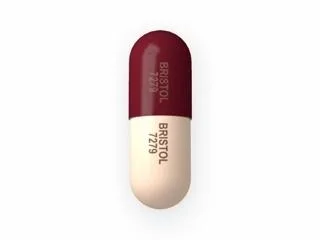
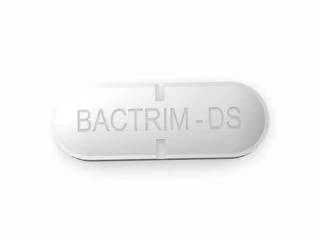
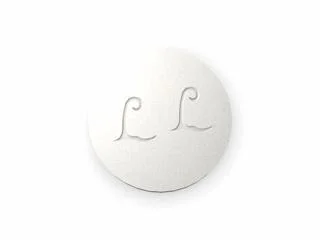


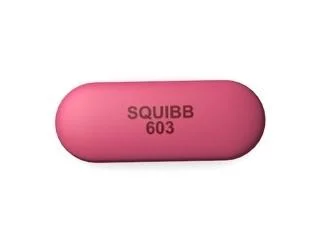

Vibramycin
100mg
Doxycycline 100mg capsules and tablets, used for acne vulgaris, chlamydia, Lyme disease and respiratory tract infection. A broad-spectrum tetracycline.
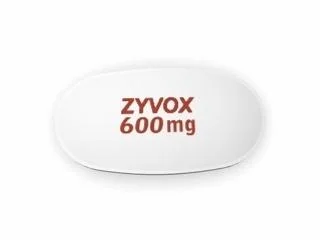


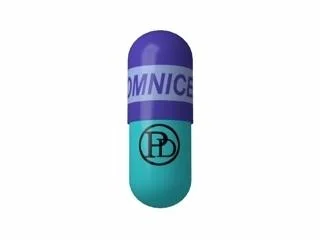
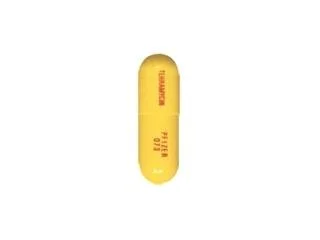
Terramycin
250mg
Oxytetracycline 250mg film-coated tablets, used for acne vulgaris and respiratory tract infection. A broad-spectrum tetracycline taken by mouth.



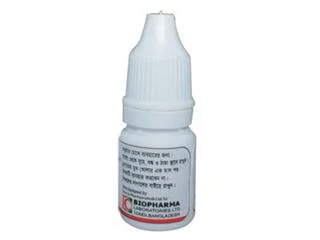

Rifampin Tablets
150 · 300 · 450 · 600mg
Rifampicin tablets in four strengths from 150mg to 600mg, used for tuberculosis and meningococcal carriage. It blocks bacterial RNA polymerase.

Zithromax Dispersible
100mg
Zithromax Dispersible is azithromycin 100mg in a tablet that disperses in water, for bacterial infection. It binds the 50S ribosomal subunit.


Ornidazole Tablets
500mg
Ornidazole 500mg tablets, used for trichomoniasis, amoebiasis and giardiasis. A nitroimidazole that disrupts DNA synthesis in protozoa.

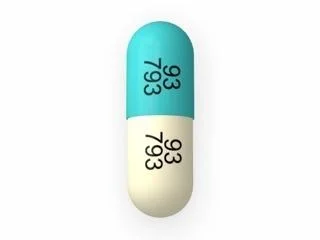
Chloromycetin
250 · 500mg
Chloramphenicol 250mg and 500mg hard capsules, used for bacterial infection and typhoid fever. It binds the 50S ribosomal subunit in bacteria.

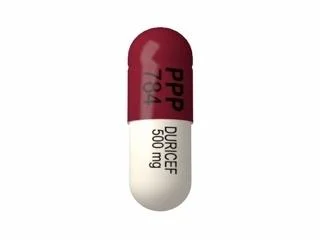
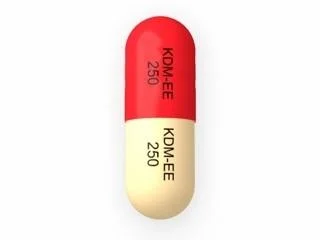



Trecator-sc
250mg
Ethionamide 250mg film-coated tablets, used in the management of tuberculosis. A thioamide that blocks peptide synthesis in mycobacteria.




Furadantin
50 · 100mg
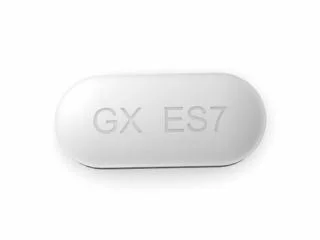
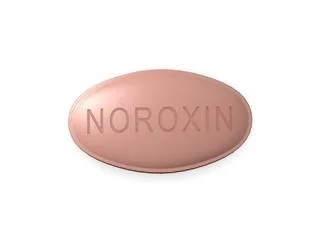
Nitrofurantoin 50mg and 100mg tablets, used for cystitis and urinary tract infection. Bacterial flavoproteins reduce it to reactive intermediates.
Key points
- Antibiotic choice depends on the likely bacteria, infection site, severity, allergies, kidney or liver function and local resistance patterns.
- Penicillins, cephalosporins, macrolides, fluoroquinolones and urinary antibiotics differ in coverage, interactions and important adverse effects.
- Take an antibiotic exactly as prescribed; do not share it, save leftovers or change the treatment duration without clinical advice.
Select a listed product and pack to order online. Product information is not a diagnosis or recommendation. Suitability and supply require clinician and pharmacy checks and prescription requirements.
How the antibiotic groups differ
Penicillins such as amoxicillin and cephalosporins such as cephalexin cover different groups of bacteria. Macrolides may be used for selected respiratory or other infections. Fluoroquinolones such as ciprofloxacin and ofloxacin have specific uses and safety restrictions. Nitrofurantoin concentrates in urine and is used for selected lower urinary infections, not every urinary or kidney infection.
What antibiotics are used for
This category includes medicines used for diagnosed or strongly suspected bacterial infection, urinary tract infection, some respiratory tract infections and selected cases of acne vulgaris.
Important safety checks
Tell the prescriber about previous antibiotic allergy, pregnancy, kidney or liver problems, heart-rhythm conditions and all current medicines. Tests or cultures may change treatment. New or persistent diarrhoea during or after antibiotics needs medical advice.
When to seek urgent care
Get urgent help for breathing difficulty, facial or throat swelling, fainting, a severe blistering rash, confusion, severe weakness or rapidly worsening infection. High fever with breathing difficulty, severe pain or signs of sepsis needs immediate assessment.
Further reading
Related articles

22 Sept 2026 ⋅ 7 min read
Antibiotics for Cough, Flu or Sore Throat: Diagnosis Comes First
Why symptoms and an antibiotic name cannot identify a bacterial infection, and what diagnosis, allergy, site and resistance change.
Read guide
22 Sept 2026 ⋅ 5
OTC, Pharmacy-Only and Prescription-Only Medicines in Singapore
Understand Singapore's GSL, Pharmacy-Only and Prescription-Only medicine classes, and why catalogue visibility does not decide suitability or supply.
Read guide