Neomercazole
5 · 10mg
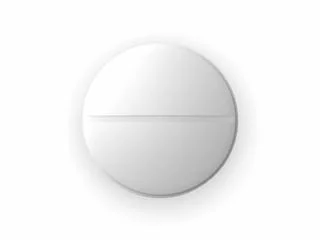
Carbimazole 5mg and 10mg tablets, used in the management of hyperthyroidism. It blocks thyroid peroxidase, so T3 and T4 are not made.
From$0.21/ tabletView
 Thyroid Health
Thyroid medicines either replace missing hormone or reduce excess hormone production. Diagnosis and dose adjustments are guided by symptoms and blood tests.
5 · 10mg
Carbimazole 5mg and 10mg tablets, used in the management of hyperthyroidism. It blocks thyroid peroxidase, so T3 and T4 are not made.
25 · 50mcg
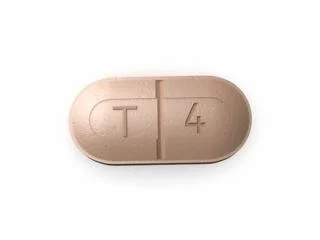
Levothyroxine 25mcg and 50mcg tablets, used in the management of hypothyroidism and thyroid-stimulating hormone suppression. Synthetic T4.
Select a listed product and pack to order online. Suitability and supply depend on clinician and pharmacy checks, blood-test results and prescription requirements.
Thyroid replacement includes levothyroxine and, in selected cases, liothyronine. Antithyroid medicines include carbimazole and thiamazole. Replacement and antithyroid medicines treat opposite hormone problems and are not substitutes for one another.
Replacement medicines are used for hypothyroidism. Antithyroid medicines may be used for hyperthyroidism as part of a clinician-led plan.
Tell the clinician about pregnancy or plans for pregnancy, heart disease and all medicines or supplements. Iron, calcium and some other products can affect thyroid hormone absorption. Blood tests are needed after relevant treatment changes; symptoms alone cannot confirm the correct dose.
While taking an antithyroid medicine, fever, sore throat or mouth ulcers require urgent medical advice and a blood-count check. Seek emergency help for chest pain, severe breathlessness, fainting, marked confusion, a very fast or irregular heartbeat, or a serious allergic reaction.

22 Sept 2026 ⋅ 6 min read
Why a consistent levothyroxine routine matters and how calcium, iron, magnesium, dairy, antacids and breakfast can affect absorption.
Read guide