
 Addiction Recovery
Medicines can reduce cravings, withdrawal symptoms or the risk of returning to substance use, but the right option depends on the substance, current use, other medicines and the person’s health.

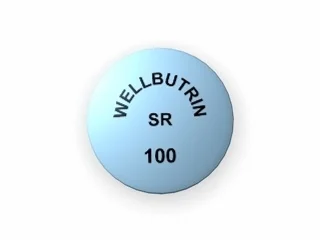
Wellbutrin SR
150mg
Wellbutrin SR is bupropion 150mg in a modified-release tablet for tobacco dependence and major depression, a weak reuptake inhibitor of two amines.
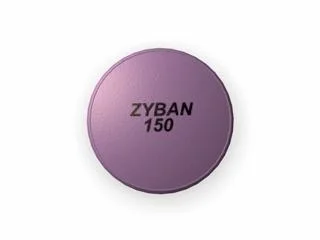
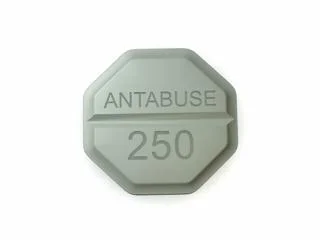

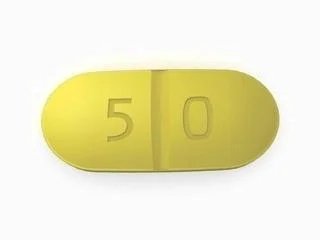

Wellbutrin
150 · 300mg
Bupropion 150mg and 300mg modified-release tablets, used in the management of major depression and tobacco dependence. An aminoketone antidepressant.


Key points
- Stop-smoking medicines include varenicline and bupropion; behavioural support can improve the chance of quitting.
- Naltrexone, acamprosate and disulfiram have different roles in alcohol dependence and are not interchangeable.
- Alcohol or opioid withdrawal can require supervised care; suddenly stopping some substances without medical support can be dangerous.
Select a listed product and pack to order online. Product information is not a treatment recommendation. Suitability and supply depend on clinician and pharmacy checks, prescription requirements and stock.
How the medicine groups differ
Stop-smoking medicines work in different ways to reduce nicotine cravings or withdrawal. Alcohol-dependence medicines may reduce reward, support abstinence or cause an unpleasant reaction with alcohol. Some medicines used for alcohol dependence also have a role in opioid dependence, but starting them at the wrong time can precipitate withdrawal.
What these medicines are used for
This category covers treatment for tobacco dependence, alcohol dependence and opioid dependence. Medication is usually one part of a broader plan that may include counselling, peer support and follow-up.
Important safety checks
A clinician may need to review current substance use, withdrawal history, mental health, pregnancy, liver or kidney function and possible medicine interactions. Do not use someone else’s medicine or combine treatment with alcohol, opioids or sedatives unless the prescriber has confirmed that it is safe.
When to seek urgent care
Get urgent help for severe confusion, hallucinations, seizures, breathing difficulty, loss of consciousness or thoughts of self-harm. Suspected overdose or severe alcohol withdrawal is a medical emergency.