
 Skin Care
Acne, eczema, psoriasis and skin infections can look similar but require different treatment. A correct diagnosis helps avoid worsening the condition or delaying care.
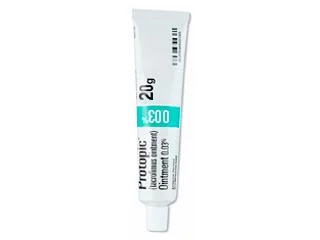
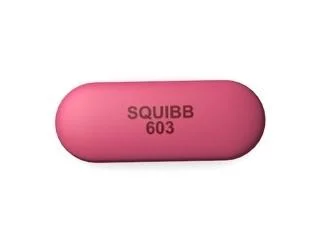
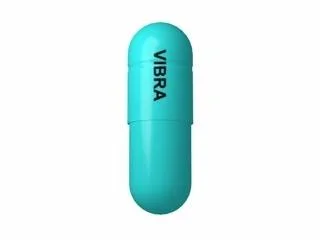
Vibramycin
100mg
Doxycycline 100mg capsules and tablets, used for acne vulgaris, chlamydia, Lyme disease and respiratory tract infection. A broad-spectrum tetracycline.
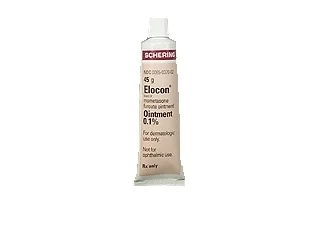
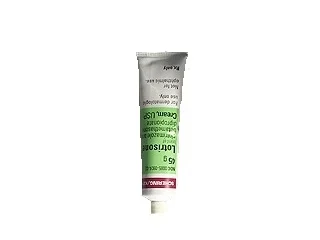
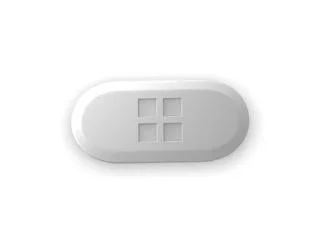
Aristocort
4mg
Triamcinolone 4mg tablets, used for inflammatory skin conditions, eczema and psoriasis. A synthetic corticosteroid taken by mouth rather than applied.
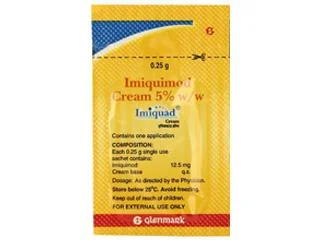
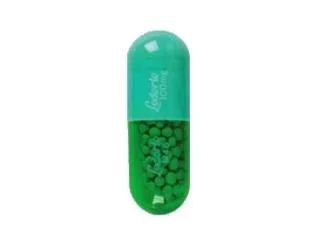
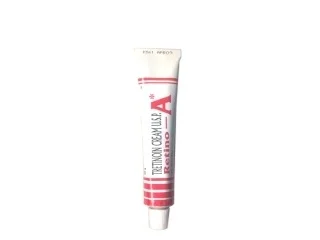
Retin-a Gel
0.01 · 0.025%
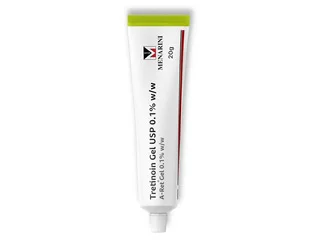
Retin-A Gel is tretinoin at 0.01% and 0.025% in a gel base for acne vulgaris, a vitamin A derivative that speeds turnover of the skin.
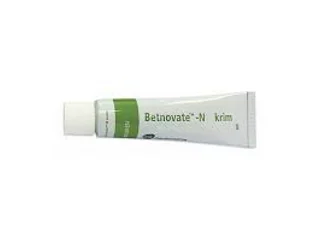
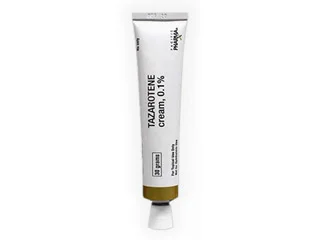
Fusiderm B
2/0.12%
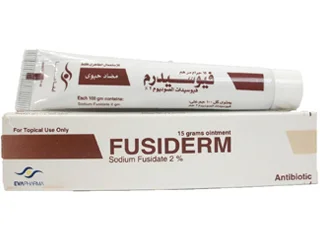
Fusiderm B is betamethasone with fusidic acid as a cream for eczema and dermatitis, a potent steroid alongside an antibacterial agent.
Retin-a Cream
0.025 · 0.05%
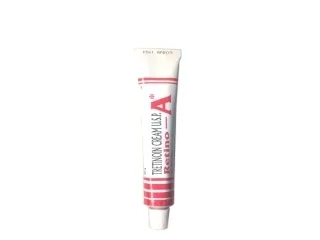
Tretinoin cream at 0.025% and 0.05%, applied for acne vulgaris and photoageing. It normalises keratinisation so microcomedones do not form.
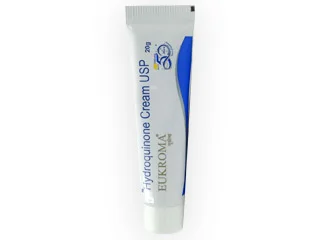
Hydroquinone Cream
4%
Hydroquinone 4% cream, applied to the skin for hyperpigmentation. A tyrosinase inhibitor that interrupts the first step of melanin formation.
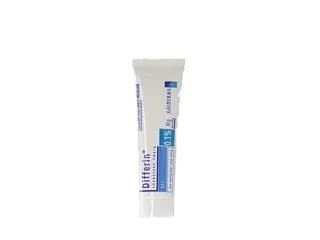
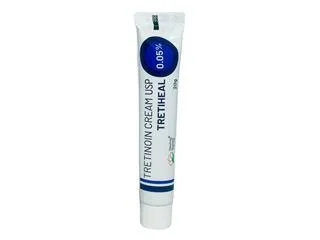
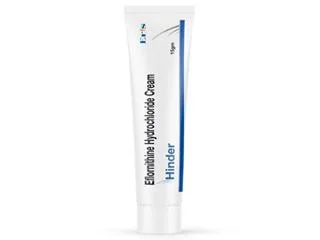
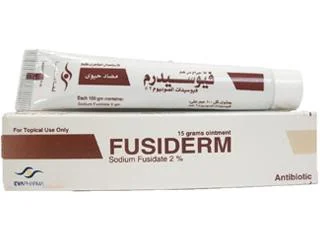
Betamethasone and Fusidic Acid Cream
2/0.12%
Betamethasone with fusidic acid as a 2/0.12% cream for eczema and infected dermatitis. A potent corticosteroid alongside an antibacterial.
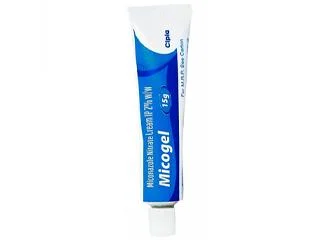
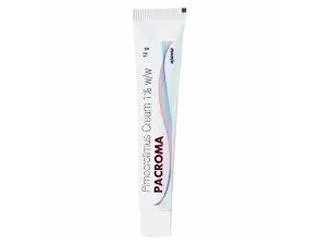
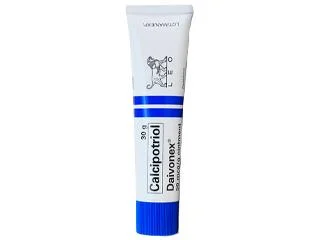
Heximar Ointment
15 · 30g
Heximar Ointment is calcipotriol in 15g and 30g tubes for plaque psoriasis, a synthetic vitamin D analogue that normalises keratinocyte turnover.
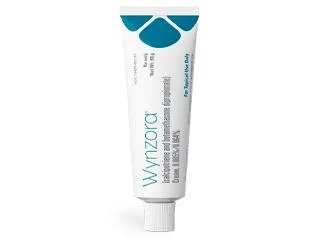
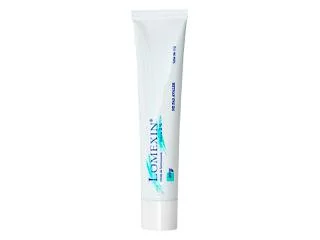
Lomexin Cream
30g
Lomexin Cream is fenticonazole in a 30g tube for candidiasis, applied to the skin. It blocks ergosterol synthesis in the fungal cell membrane.
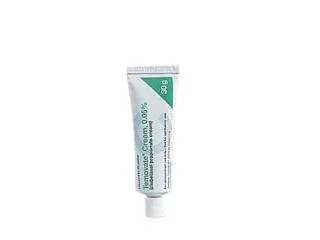
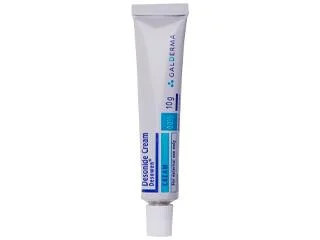
Desonate Cream
10g
Desonide cream in a 10g tube, applied for atopic dermatitis and eczema. A low-potency topical corticosteroid, anti-inflammatory and anti-pruritic.
Key points
- Topical steroids reduce inflammation but the appropriate strength and duration depend on the body area and diagnosis.
- Retinoids treat selected acne, but oral isotretinoin requires strict pregnancy precautions and clinical monitoring.
- Antibiotic skin treatments should be used only for an appropriate bacterial infection to limit treatment failure and resistance.
Select a listed product and pack to order online. Suitability and supply depend on clinician and pharmacy checks, including prescription and pregnancy-safety requirements.
How the medicine groups differ
Topical corticosteroids such as betamethasone reduce inflammation. Retinoids include topical tretinoin and oral isotretinoin. Calcipotriol is used in selected psoriasis treatment, while fusidic acid is an antibiotic for selected bacterial infections.
What these medicines are used for
Uses may include acne vulgaris, psoriasis, eczema and atopic dermatitis. Fungal, bacterial and inflammatory rashes need different medicines. A steroid applied to an undiagnosed fungal rash usually makes it worse. Potency and the area treated both matter, because thin skin absorbs more of what is put on it.
Important safety checks
Do not use a potent steroid on the face, groin, broken skin or a suspected infection unless directed. Retinoids need pregnancy and sun-exposure precautions; oral isotretinoin also requires specialist monitoring. Avoid sharing antibiotics or reusing an old prescription for a new rash.
When to seek urgent care
Seek urgent help for facial swelling, breathing difficulty, blistering or peeling skin, a rapidly spreading painful rash, fever with a rash, or redness and swelling around the eyes. Pregnancy during oral isotretinoin treatment requires immediate contact with the treating clinician.
Further reading
Related articles

Understand how moisturisers, topical steroids and calcineurin inhibitors differ, and why body site, potency and diagnosis affect eczema treatment.
Read guide
22 Sept 2026 ⋅ 7
Acne Marks vs Acne Scars: Why the Treatment Options Differ
Distinguish flat post-acne colour changes from indented or raised scars, and understand why creams and procedures do different jobs.
Read guide
22 Sept 2026 ⋅ 7 min read
Dandruff or Seborrhoeic Dermatitis? When Medicated Shampoo May Help
Understand how dandruff relates to seborrhoeic dermatitis, how medicated shampoos differ, and when scaling needs a different diagnosis.
Read guide
22 Sept 2026 ⋅ 6 min read
Isotretinoin Is Not Just Stronger Acne Cream
Why oral isotretinoin has different pregnancy, monitoring and adverse-effect requirements from topical retinoids and routine acne products.
Read guide
22 Sept 2026 ⋅ 7
Rosacea Gels Treat Different Features: What Actually Differs
Compare metronidazole, azelaic acid, ivermectin and redness-directed rosacea treatments by the feature they target rather than texture alone.
Read guide
Learn why psoriasis creams, ointments, gels, solutions and shampoos are not interchangeable, and when extent or joint symptoms change treatment.
Read guide