
 Antidepressants
Antidepressants are used for depression, anxiety and selected pain or related conditions. Benefits usually develop gradually, and medicine choice depends on symptoms, health history, adverse effects, interactions and local approved uses.

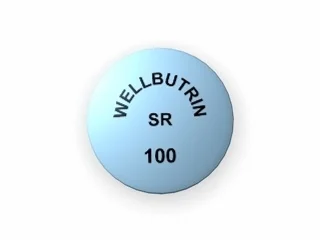
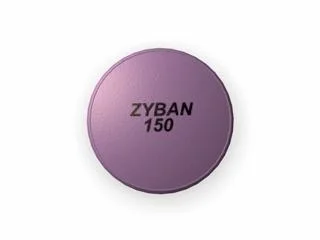
Wellbutrin SR
150mg
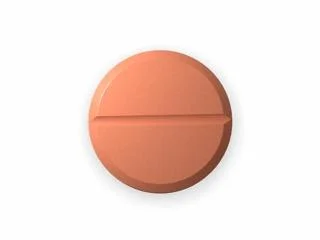
Wellbutrin SR is bupropion 150mg in a modified-release tablet for tobacco dependence and major depression, a weak reuptake inhibitor of two amines.


Trintellix
5 · 10 · 20mg
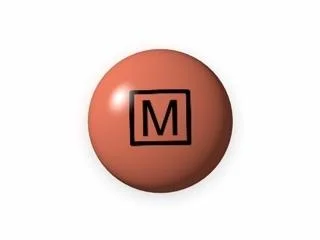
Vortioxetine 5mg, 10mg and 20mg tablets, used in the management of major depressive disorder. A multimodal antidepressant, not a plain SSRI.







Wellbutrin
150 · 300mg
Bupropion 150mg and 300mg modified-release tablets, used in the management of major depression and tobacco dependence. An aminoketone antidepressant.
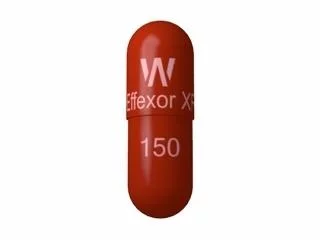
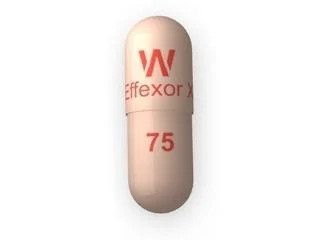
Effexor XR
75 · 150mg
Effexor XR is venlafaxine 75mg and 150mg in a prolonged-release capsule for major depression and generalised anxiety disorder. An SNRI taken once a day.



Key points
- SSRIs, SNRIs, tricyclic antidepressants and other agents differ in uses, adverse effects, interactions and withdrawal risk.
- Do not start, stop or switch an antidepressant without clinical guidance; abrupt changes can cause withdrawal symptoms or a return of symptoms.
- New or worsening suicidal thoughts, severe agitation or unusual changes in behaviour need prompt professional help.
Select a listed product and pack to order online. Product information is not a personal recommendation. Suitability and supply depend on clinician and pharmacy checks, prescription requirements and follow-up.
How the medicine groups differ
SSRIs such as paroxetine and citalopram are used for several mood and anxiety disorders. SNRIs such as venlafaxine and duloxetine may also be used for selected pain conditions. Tricyclic medicines such as amitriptyline have different adverse-effect and overdose risks. Uses for bupropion vary by product and market.
What antidepressants are used for
This category includes medicines used for major depressive disorder, generalised anxiety disorder, obsessive compulsive disorder and panic disorder. A clinician should confirm the diagnosis and check for bipolar symptoms or other causes before treatment.
Important safety checks
Review other medicines and supplements because some combinations increase bleeding, sedation, heart-rhythm or serotonin-related risks. Pregnancy, seizures, glaucoma, liver or kidney problems and a history of mania can change the choice. Follow-up is especially important after starting treatment or changing it.
When to seek urgent care
Seek immediate help for suicidal intent, a suspected overdose, severe confusion, seizures, fainting, or agitation with fever, sweating and muscle stiffness. Markedly reduced need for sleep, racing thoughts or risky behaviour may signal mania and requires urgent assessment.
Further reading
Related articles

Compare SSRI, SNRI, mirtazapine and older antidepressant classes by treatment role, expected timeline, side-effect profile and withdrawal planning.
Read guide