
Hypertension
Hypertension means blood pressure remains above the recommended range on repeated measurements. It usually causes no symptoms, but over time it increases the risk of stroke, heart disease, kidney damage and sight loss.

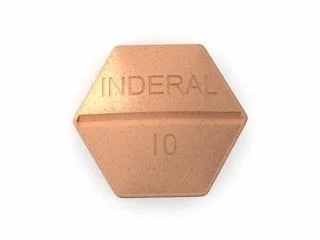

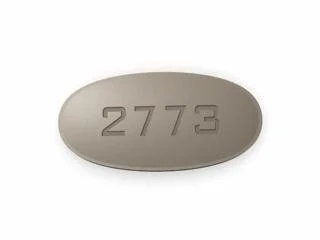
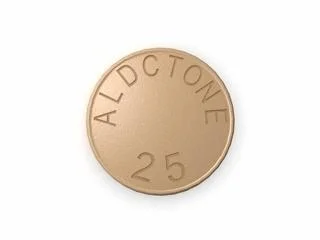
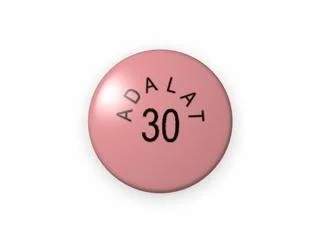
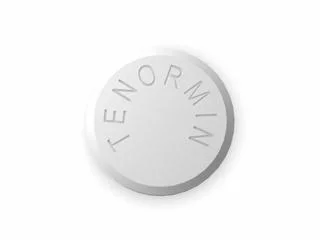
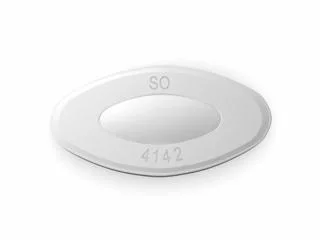
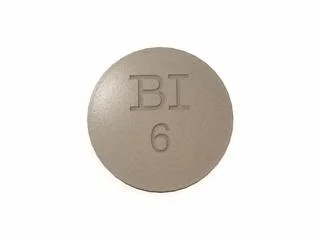
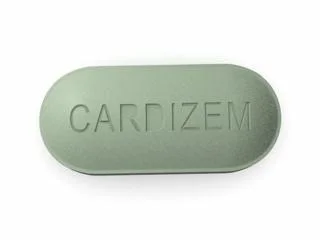
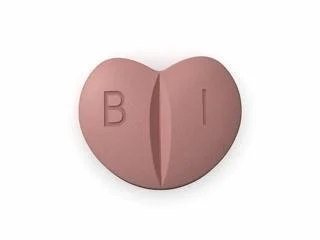
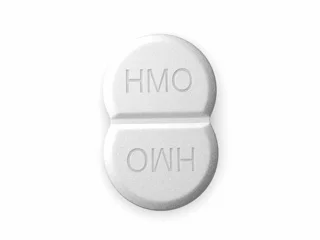
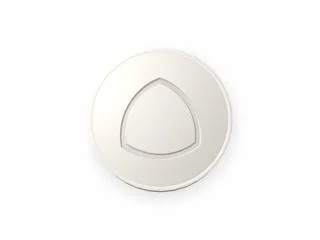
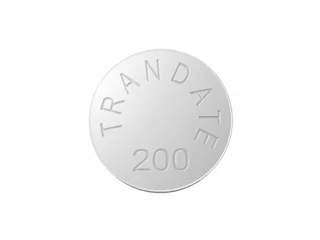
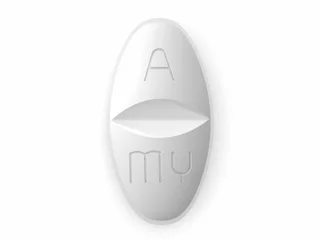
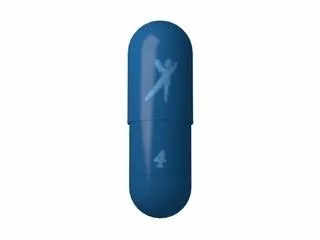
Inderal LA
40mg
Inderal LA is propranolol 40mg in a modified-release capsule for hypertension, angina, migraine prophylaxis and essential tremor. Both beta-1 and beta-2.

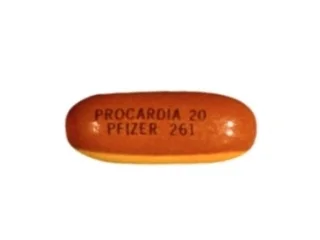
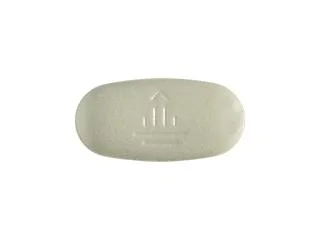
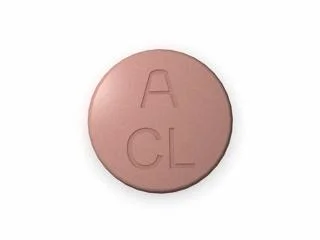
Candesartan Tablets
4 · 8 · 16mg
Candesartan 4mg, 8mg and 16mg tablets, used in the management of hypertension and chronic heart failure. An angiotensin II receptor blocker.
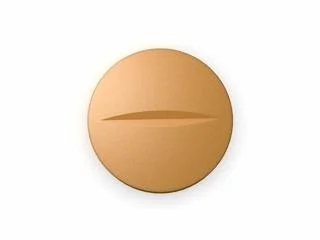
Amiloride Tablets
5mg
Amiloride 5mg tablets, used in the management of hypertension and oedema. A potassium-sparing diuretic: sodium and water leave, potassium is held back.

Azilsartan and Chlorthalidone Tablets
40/12.5mg
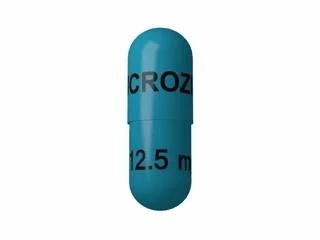
Azilsartan with chlorthalidone as a 40/12.5mg film-coated tablet for hypertension. An angiotensin receptor blocker paired with a thiazide-like diuretic.
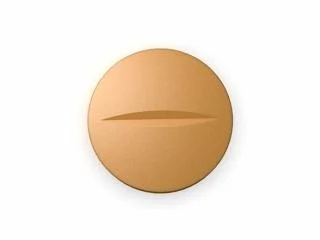

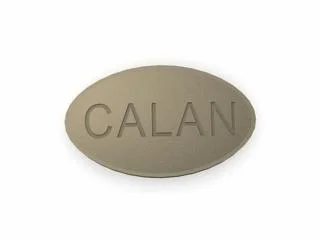
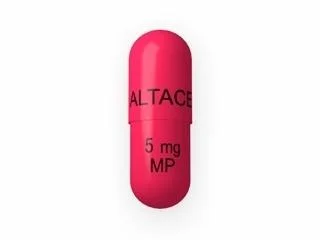

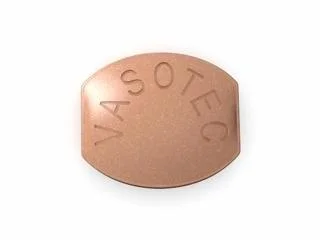
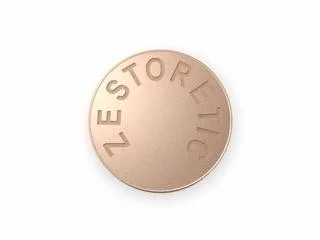
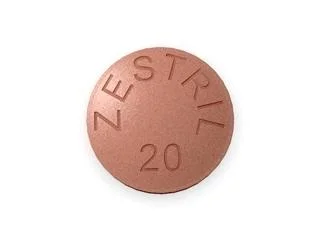
Zestoretic
Lisinopril, Hydrochlorothiazide
5/12.5g/mg
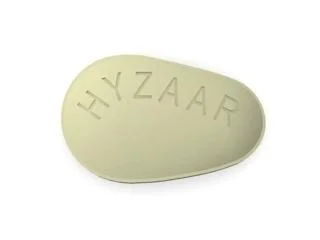
Lisinopril with hydrochlorothiazide as a tablet for hypertension. Two pathways at once: less angiotensin II, and more salt and water out.


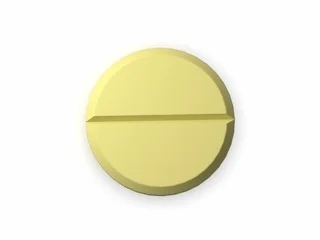
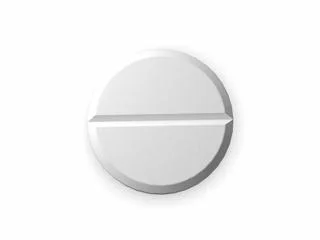
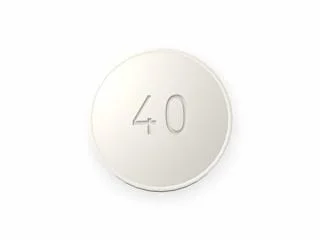
Isoptin SR
120 · 240mg
Isoptin SR is verapamil 120mg and 240mg in a modified-release tablet for hypertension, angina and arrhythmia, blocking calcium influx across the day.
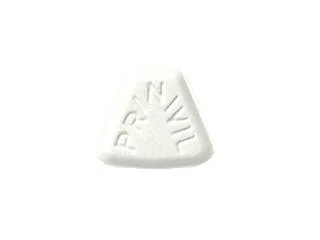



Edarbyclor
40/12.5mg
Edarbyclor pairs azilsartan with chlorthalidone in a 40/12.5mg tablet for hypertension, adding renal salt and water excretion to receptor blockade.


Vaseretic
Enalapril, Hydrochlorothiazide
10/25mg
Enalapril with hydrochlorothiazide as a 10/25mg tablet for hypertension. An ACE inhibitor to relax the vessels, a diuretic to shed salt and water.

Ziac
Hydrochlorothiazide, Bisoprolol
2.5/6.25mg
Hydrochlorothiazide with bisoprolol as a 2.5/6.25mg film-coated tablet for hypertension. A cardioselective beta-blocker paired with a thiazide.



Tribenzor
Olmesartan, Amlodipine, Hydrochlorothiazide
20/5/12.5 · 40/5/12.5mg
Olmesartan, amlodipine and hydrochlorothiazide in one film-coated tablet for hypertension. Receptor blockade, calcium blockade and a diuretic together.

Apresoline
25mg
Hydralazine 25mg tablets, used in the management of hypertension and heart failure. A vasodilator that relaxes arterial smooth muscle directly.
Micardis HCT
Telmisartan, Hydrochlorothiazide
40/12.5 · 80/12.5mg
Micardis HCT pairs telmisartan with hydrochlorothiazide in 40/12.5mg and 80/12.5mg tablets for hypertension, a sartan with a thiazide diuretic.

Benicar HCT
Olmesartan, Hydrochlorothiazide
20/12.5 · 40/12.5mg
Benicar HCT pairs olmesartan with hydrochlorothiazide in 20/12.5mg and 40/12.5mg tablets for hypertension, adding a diuretic to the receptor blocker.
Key points
- One high reading does not usually establish hypertension; correct technique and repeated home, clinic or ambulatory readings matter.
- Treatment targets overall cardiovascular risk as well as the number on the monitor.
- Medicine choice depends on age, pregnancy, kidney function, diabetes, other conditions and possible secondary causes.
A blood-pressure medicine listing cannot confirm hypertension or define a target; measurement pattern, organ health and adverse-effect risks guide treatment.
How is hypertension confirmed?
An appropriate cuff size, seated rest and repeat readings reduce measurement error. Home or ambulatory monitoring can identify white-coat or masked hypertension. Assessment also considers kidney disease, sleep apnoea, hormonal causes and medicines that raise pressure.
How is treatment selected?
Reducing sodium, staying active, moderating alcohol and addressing weight or sleep apnoea can help. Medicines such as amlodipine, lisinopril or olmesartan work through different pathways and may be combined. Kidney function and electrolytes need monitoring for some options. See heart and blood pressure for class context.
When to seek urgent care
Call emergency services for high blood pressure with chest pain, severe breathlessness, new weakness, facial droop, speech difficulty, confusion, seizure or sudden vision loss. A high reading without these features still needs timely clinical advice, not rapid self-lowering.
Further reading
What is hypertension?
Hypertension means blood pressure stays above the recommended range on repeated readings. Over time it raises the risk of stroke, heart disease, kidney damage and sight loss.
What are the symptoms of hypertension?
Hypertension usually causes no symptoms and is found through repeated measurements rather than by how you feel.
How is hypertension treated?
Cutting down on salt, staying active, cutting back on alcohol and tackling weight or sleep apnoea can all help. Medicines such as amlodipine, lisinopril or olmesartan work in different ways and may be combined. Some need blood tests to check kidney function and salt levels.
What can I order for hypertension?
SGMeds lists products containing verapamil, metoprolol and propranolol for hypertension, for example Inderal (propranolol) and Toprol (metoprolol). Each product page gives the strengths and forms.
When should I see a doctor about hypertension?
Call emergency services if a high reading comes with chest pain, severe breathlessness, new weakness, facial droop, speech difficulty, confusion, seizure or sudden vision loss. A high reading without those features still needs timely advice from a doctor; do not try to bring it down quickly yourself.
Can I buy medicines for hypertension over the counter in Singapore?
Yes, online. SGMeds does not ask for a prescription to order medicines for hypertension: we place the order with our pharmacy partner, which prepares it and arranges delivery on your behalf.
Ordering without a prescription →Where can I buy medicines for hypertension online?
You can order them here on SGMeds: choose the product, strength and pack, then check out. We deliver to Singapore and Malaysia. Express shipping is tracked and takes up to 1 week, and Regular shipping takes up to 3 weeks.
How ordering works →Related articles

Compare beta blockers by receptor selectivity, indication, formulation and monitoring rather than assuming equal milligrams or a class-wide effect.
Read guide
22 Sept 2026 ⋅ 7 min read
ACE Inhibitors: Cough, Potassium, Kidneys and Monitoring
Understand why ACE inhibitors can affect cough, potassium and kidney blood tests, and which symptoms or circumstances need prompt review.
Read guide
22 Sept 2026 ⋅ 7 min read
Blood-Pressure Medicine Classes: What Monitoring Differs
Compare ACE inhibitors, ARBs, calcium-channel blockers, thiazide-type diuretics and beta blockers by role, monitoring and common safety questions.
Read guide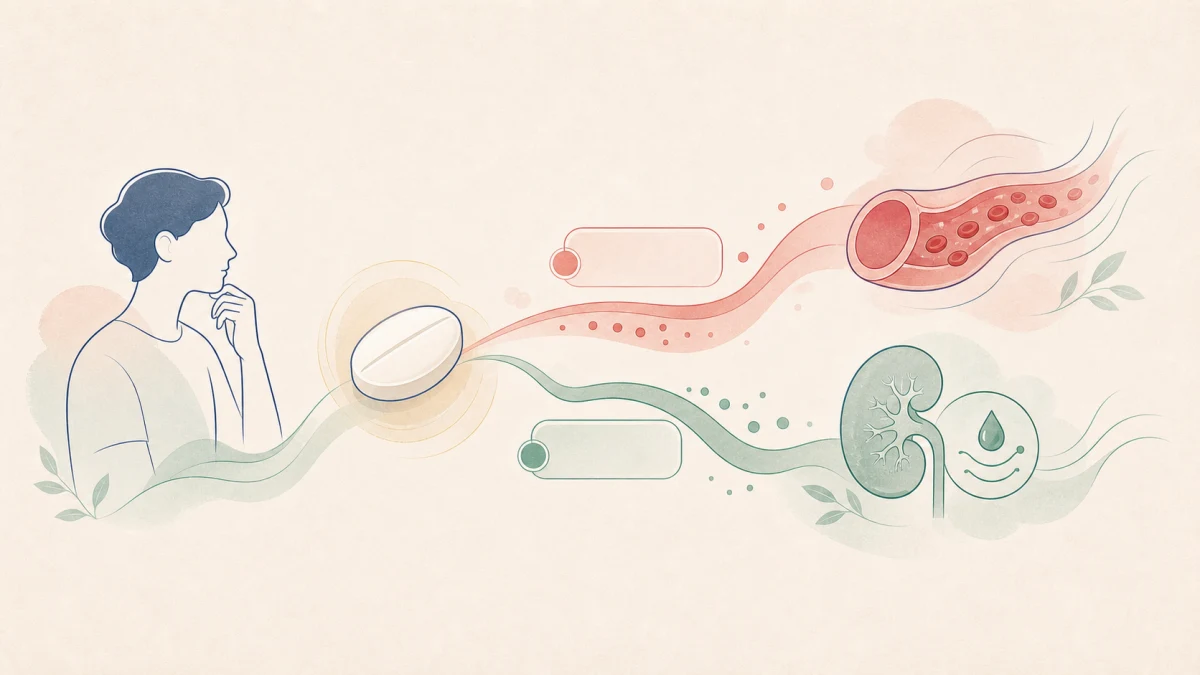
22 Sept 2026 ⋅ 7 min read
Why One Heart Tablet May Contain Two Medicines
Learn why some blood-pressure or cardiovascular tablets contain two active ingredients, and what to check before treating them as one medicine.
Read guide