
 Bone Health
Bone-health treatments include osteoporosis medicines, active forms of vitamin D and calcium products. They have different purposes and should be selected using fracture risk, test results, kidney function and the underlying diagnosis.
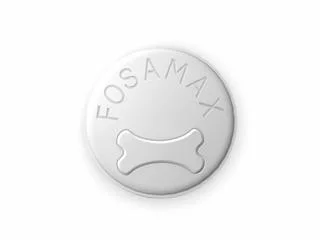

Raloxifene Tablets
60mg
Raloxifene 60mg film-coated tablets, used in the management of osteoporosis. A SERM that acts like oestrogen on bone but not on breast tissue.

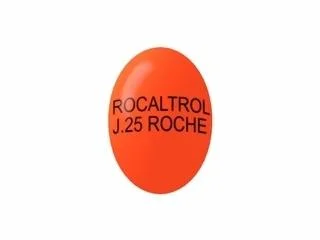

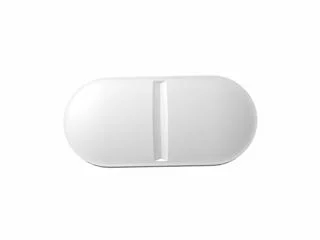
Calcium Carbonate Tablets
500mg
Calcium carbonate 500mg tablets, used for calcium deficiency and osteoporosis. A source of elemental calcium for bone and muscle function.
Key points
- Bisphosphonates such as alendronic acid reduce bone breakdown and require specific administration and suitability checks.
- Alfacalcidol and calcitriol are active vitamin D medicines for selected conditions, not routine substitutes for standard vitamin D.
- Calcium products can interact with medicines and are not automatically beneficial when dietary intake and blood calcium are adequate.
Select a listed product and pack to order online. Product information is not a personal recommendation. Suitability and supply depend on clinician and pharmacy checks, test results and prescription requirements.
How the medicine groups differ
Bisphosphonates target bone loss in suitable people at increased fracture risk. Active vitamin D medicines affect calcium balance and may require close blood monitoring. Supplements such as calcium carbonate provide calcium but do not replace investigation of recurrent fractures or an underlying bone disorder.
What these medicines are used for
This category includes treatments used for osteoporosis, osteomalacia and hypocalcaemia. The cause matters: osteoporosis, vitamin D deficiency, kidney-related mineral disorders and low blood calcium are not managed in the same way.
Important safety checks
Assessment may include fracture history, calcium and vitamin D status, kidney function, swallowing or digestive problems and dental plans. Calcium and some bone medicines must be separated from certain other medicines. New thigh, groin or jaw symptoms during long-term antiresorptive treatment need review.
When to seek urgent care
Get urgent help for severe muscle spasms, seizures, confusion, an irregular heartbeat or breathing difficulty, which can occur with a serious calcium disturbance. Sudden severe back or hip pain after a minor fall needs prompt fracture assessment.
Further reading
Related articles

22 Sept 2026 ⋅ 6 min read
Levothyroxine Timing: Calcium, Iron, Coffee and Breakfast
Why a consistent levothyroxine routine matters and how calcium, iron, magnesium, dairy, antacids and breakfast can affect absorption.
Read guide