
 Oncology Support
This category contains active cancer treatments, not general supportive-care products. Treatment choice, dose and monitoring are determined by an oncology team.
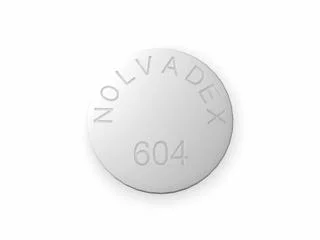





Methotrexate Tablets
2.5mg
Methotrexate 2.5mg tablets, used in the management of rheumatoid arthritis, psoriasis and Crohn's disease. A folic acid antagonist blocking dihydrofolate reductase.





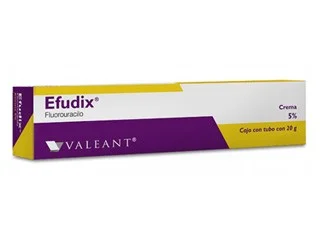



Abiraterone Tablets
250mg
Abiraterone 250mg tablets, used in the management of prostate cancer. A CYP17A1 inhibitor that blocks androgen synthesis in the adrenal glands.




Lenalidomide Capsules
10mg
Lenalidomide 10mg hard capsules, used in the management of multiple myeloma and myelodysplastic syndromes. A thalidomide analogue and immunomodulator.



Key points
- Hormonal therapies act on hormone-sensitive cancers; chemotherapy medicines work through different cancer-specific mechanisms.
- Medicines in this category are not interchangeable and may be used alone or as part of a wider regimen.
- Blood tests and other monitoring are often needed to manage infection, bleeding, clotting and organ-related risks.
Select a listed product and pack to order online. Suitability and supply depend on the treating clinician, specialist prescription and pharmacy checks.
How the medicine groups differ
Hormonal therapies include anastrozole, tamoxifen and flutamide. Chemotherapy or cytotoxic medicines include cyclophosphamide, chlorambucil and hydroxycarbamide. Their uses and risk profiles differ substantially.
What these medicines are used for
Depending on the medicine and regimen, uses may include breast cancer, prostate cancer, multiple myeloma and chronic myeloid leukaemia. Most are given as part of a protocol that sets the dose, the interval and the blood tests around it, so they are not interchangeable between cancers. Specialist supervision is the norm rather than the exception.
Important safety checks
Do not start, stop, substitute or change a cancer medicine without the oncology team. Monitoring may include blood counts and liver, kidney, heart or hormone-related checks. Pregnancy prevention, vaccination plans and interactions with other medicines or supplements may also need specialist review.
When to seek urgent care
Follow the oncology team’s emergency instructions. Seek urgent help for fever or signs of infection, unusual bleeding, sudden breathlessness, chest pain, one-sided leg swelling, severe vomiting or diarrhoea, confusion, or a serious allergic reaction.