
 Diabetes Management
Type 2 diabetes medicines lower blood glucose in different ways. Selection depends on glucose targets, kidney and heart health, other medicines and the risk of low blood glucose.
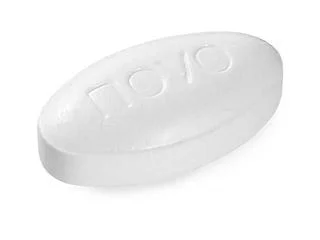
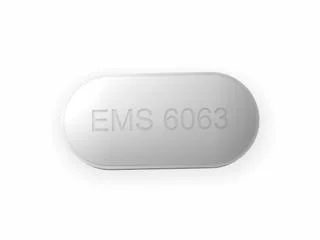
Glucophage
500 · 850 · 1000mg
Metformin 500mg, 850mg and 1000mg tablets, film-coated and prolonged-release, used in the management of type 2 diabetes mellitus. A biguanide.

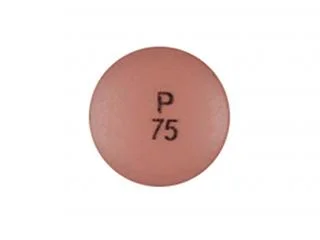
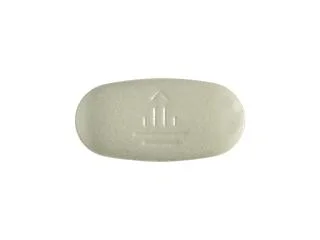
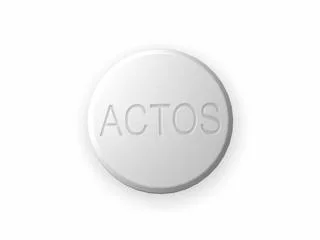
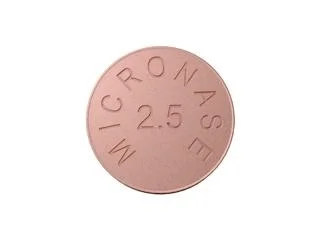
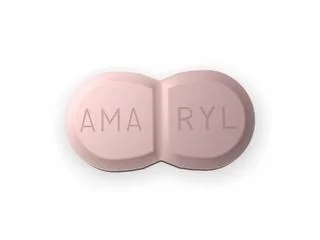
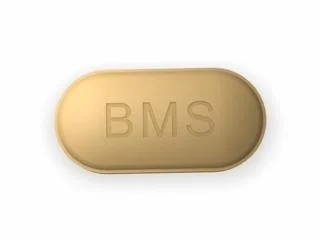
Glucovance
400/2.50 · 500/5mg
Metformin with glibenclamide as a film-coated tablet, used in the management of type 2 diabetes mellitus. A biguanide paired with a sulfonylurea.
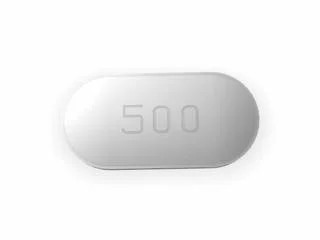
Glucophage SR
500mg
Glucophage SR is metformin 500mg in a prolonged-release tablet for type 2 diabetes mellitus, releasing the biguanide slowly across the day.
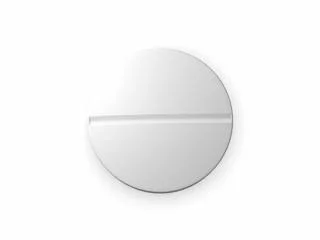
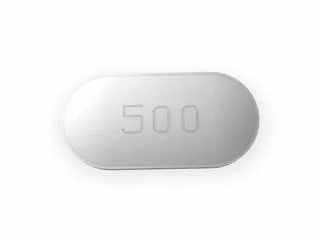
Glucophage XR
1000mg
Glucophage XR is metformin at the 1000mg prolonged-release strength for type 2 diabetes mellitus, cutting glucose output from the liver.
Kombiglyze XR
5/500 · 5/1000mg
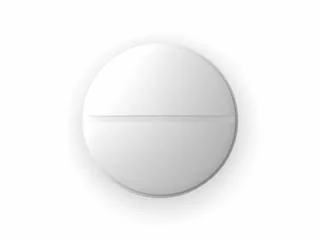
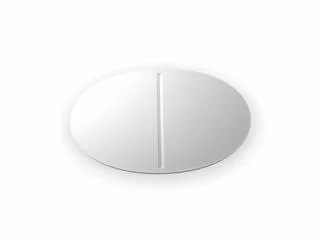
Kombiglyze XR pairs saxagliptin with metformin in a prolonged-release tablet for type 2 diabetes mellitus, a DPP-4 inhibitor alongside a biguanide.


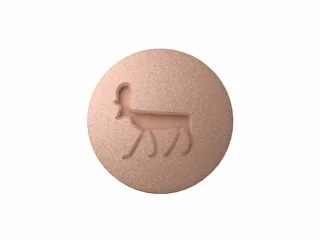
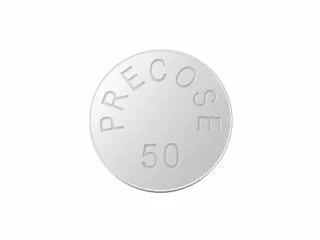
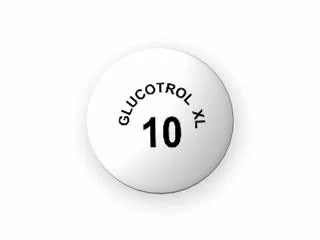
Glucotrol XL
5 · 10mg
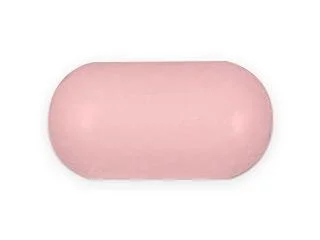
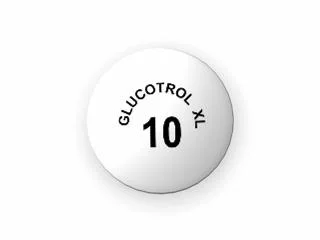
Glucotrol XL is glipizide 5mg and 10mg in a prolonged-release tablet for type 2 diabetes mellitus. A second-generation sulfonylurea.

Jentadueto
2.5/500mg
Linagliptin with metformin as a film-coated tablet, used in the management of type 2 diabetes mellitus. A DPP-4 inhibitor paired with a biguanide.

Key points
- Metformin, sulfonylureas and DPP-4 inhibitors are not interchangeable and may be used alone or in a clinician-planned combination.
- Regular glucose and longer-term monitoring helps show whether treatment remains safe and effective.
- Severe low blood glucose, marked drowsiness, confusion, vomiting or deep rapid breathing require urgent help.
Select a listed product and pack to order online. Suitability and supply depend on clinician and pharmacy checks, stock, destination rules and any prescription requirements.
How the medicine groups differ
- Metformin: metformin reduces glucose production by the liver and is commonly considered early in treatment.
- Sulfonylureas: glipizide and glibenclamide increase insulin release and can cause low blood glucose.
- DPP-4 inhibitors: sitagliptin and linagliptin support meal-related insulin responses and usually have a lower risk of low blood glucose when used without insulin or a sulfonylurea.
What these medicines are used for
These medicines may form part of an individual plan for type 2 diabetes mellitus, alongside nutrition, activity and monitoring. They lower blood glucose by different routes, some by improving how the body responds to insulin and others by changing how much glucose the kidneys or gut let through. Several are used in combination, and the choice depends on kidney function, weight and how readings are tracking.
Important safety checks
Kidney or liver problems, pregnancy, frailty and periods of poor food or fluid intake can alter medicine choice. Do not skip meals or change treatment because of a single reading; ask the treating clinician how to handle illness and low readings.
When to seek urgent care
Get urgent help for severe confusion, loss of consciousness, a seizure, repeated vomiting, inability to keep fluids down or deep rapid breathing.
Further reading
Related articles
22 Sept 2026 ⋅ 6
Bringing Medicines Into Singapore: What to Check Before Packing
A practical checklist for checking ingredients, quantities, labels, documents and HSA approval before travelling with personal medicines to Singapore.
Read guide
22 Sept 2026 ⋅ 6 min read
GLP-1 Medicines for Diabetes and Weight Loss Are Not Interchangeable
Why Ozempic, Wegovy, Rybelsus and Saxenda differ by product purpose, route, strength, instructions and monitoring despite a shared medicine family.
Read guide
22 Sept 2026 ⋅ 6
Single-Ingredient vs Combination Diabetes Medicines
Learn how to read single-ingredient and fixed-dose combination diabetes medicines, including paired strengths, formulations and duplicate ingredients.
Read guide