
Arrhythmia
An arrhythmia is a disturbance in the heart’s electrical rhythm, causing beats that are unusually fast, slow, irregular or conducted abnormally.
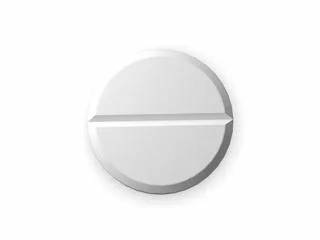
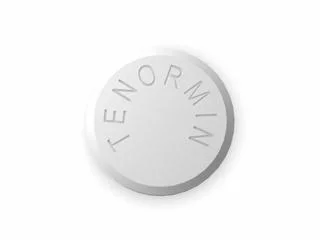
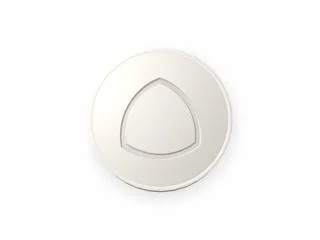

Amiodarone Tablets
100 · 200mg
Amiodarone 100mg and 200mg tablets, used in the management of arrhythmia. A class III antiarrhythmic that lengthens the cardiac action potential.
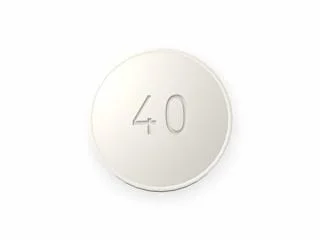
Isoptin SR
120 · 240mg
Isoptin SR is verapamil 120mg and 240mg in a modified-release tablet for hypertension, angina and arrhythmia, blocking calcium influx across the day.

Key points
- Palpitations describe a sensation, not a diagnosis; capturing the rhythm on an ECG or monitor is often decisive.
- Treatment ranges from no intervention to medicine, cardioversion, ablation or a device, depending on the exact rhythm.
- Fainting, chest pain, severe breathlessness or neurological symptoms alongside an abnormal pulse require urgent care.
The listings below should not be used for an unidentified rhythm; some antiarrhythmics can worsen the wrong arrhythmia.
Finding the rhythm and cause
A resting ECG may diagnose a persistent arrhythmia, while intermittent symptoms may need a wearable or implanted monitor. Assessment also considers heart disease, thyroid function, electrolytes, sleep apnoea, alcohol, stimulants and medicines that affect conduction or the QT interval.
Treatment goals
Rate control, rhythm restoration and prevention of stroke or sudden death are separate decisions. Beta blockers and antiarrhythmics have rhythm-specific uses and contraindications. Cardioversion or catheter ablation may be more appropriate in selected cases, while slow dangerous rhythms can require pacing.
When to seek urgent care
Call emergency services for palpitations with fainting, severe chest pain, marked breathlessness, confusion, sudden one-sided weakness or an unusually fast or slow pulse with severe symptoms.
Further reading
What is an arrhythmia?
An arrhythmia is a disturbance in the heart's electrical rhythm. The heartbeat becomes unusually fast, slow or irregular, or the electrical signal travels through the heart abnormally.
What can contribute to an arrhythmia?
When an arrhythmia is assessed, doctors look at heart disease, thyroid function, salt levels in the blood (electrolytes), sleep apnoea, alcohol, stimulants and medicines that affect the heart's electrical signals.
How is an arrhythmia treated?
Treatment can range from no intervention to medicine, cardioversion, ablation or a device, depending on the exact rhythm. Rate control, rhythm restoration and prevention of stroke or sudden death are separate decisions. Slow dangerous rhythms can need pacing.
When should I seek urgent care for an arrhythmia?
Call emergency services for palpitations with fainting, severe chest pain, marked breathlessness, confusion, sudden one-sided weakness, or an unusually fast or slow pulse with severe symptoms.
What medication for arrhythmia can I order in Singapore?
SGMeds lists products containing verapamil, amiodarone and metoprolol for arrhythmia, for example Amiodarone Tablets and Beloc (metoprolol). Each product page gives the strengths and forms.
Do I need a prescription for medicines for arrhythmia in Singapore?
No. SGMeds does not ask for a prescription to order medicines for arrhythmia: we place the order with our pharmacy partner, which prepares it and arranges delivery on your behalf.
Ordering without a prescription →Where can I buy medicines for arrhythmia online?
You can order them here on SGMeds: choose the product, strength and pack, then check out. Parcels go to Singapore and Malaysia by Express shipping (tracked, up to 1 week) or Regular shipping (up to 3 weeks).
How ordering works →Related articles

Compare beta blockers by receptor selectivity, indication, formulation and monitoring rather than assuming equal milligrams or a class-wide effect.
Read guide