
Bisoprolol
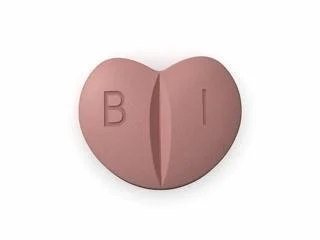
Bisoprolol slows the heart and reduces its workload. It may be used for hypertension or stable chronic heart failure within an individual treatment plan.

Key points
- Bisoprolol can lower heart rate and blood pressure, so pulse, symptoms and other heart medicines require review.
- It can mask some warning signs of low blood glucose and may worsen breathing in susceptible people.
- Fainting, severe breathlessness, chest pain or a very slow heartbeat with weakness needs urgent care.
Select a listed product and pack to order online. Supply depends on stock and destination rules; ask your doctor or pharmacist whether it suits you.
How it works
Bisoprolol blocks beta-1 receptors mainly in the heart, slowing the heart rate and reducing the force of contraction and renin release.
Important safety checks
Asthma or other airway disease, a slow pulse, conduction problems, low blood pressure, diabetes and worsening heart failure require review. Other rate-slowing medicines can have additive effects. Do not stop bisoprolol suddenly, because angina, rhythm problems or heart failure can worsen.
When to seek urgent care
Seek urgent help for fainting, new or worsening chest pain, severe breathlessness, blue-grey lips or skin, confusion, or a very slow or irregular heartbeat with weakness or dizziness.
Further reading
Related articles

Compare beta blockers by receptor selectivity, indication, formulation and monitoring rather than assuming equal milligrams or a class-wide effect.
Read guide
23 Sept 2026
Heart-Failure Medicines Have Different Jobs
Understand why diuretics, renin-angiotensin medicines, selected beta blockers, MRAs and SGLT2 inhibitors are not interchangeable in heart failure.
Read guide