
Clotrimazole
Clotrimazole is an azole antifungal available in topical skin, vaginal and oral products. The formulations treat different sites and are not interchangeable.
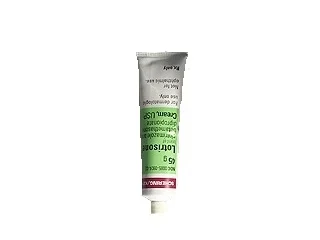
Key points
- Clotrimazole treats selected fungal infections, not bacterial, viral or every inflammatory rash.
- A rash that worsens or fails to improve may have the wrong diagnosis or need a different treatment.
- Vaginal, oral and skin products have different instructions and should be used only at the intended site.
Select a listed product and pack to order online. Whether it suits you depends on infection site, formulation and pregnancy status; ask your doctor or pharmacist.
What clotrimazole is used for
Skin products may be used for selected fungal skin infection. Other formulations may treat vaginal or oral fungal infection. A general dermatosis is not necessarily fungal.
How it works
Clotrimazole disrupts fungal cell membranes by inhibiting ergosterol production. It does not address non-fungal causes of itching or discharge.
Important safety checks
Review pregnancy, recurrent infection, diabetes or immune suppression, broken skin and other local products. Genital symptoms with pelvic pain, fever, sores or unusual bleeding need diagnosis before self-treatment.
When to seek urgent care
Seek urgent help for facial swelling or breathing difficulty. Prompt assessment is needed for fever with pelvic pain, rapidly spreading redness, severe blistering, eye exposure with persistent symptoms or signs of serious infection.
Further reading
Related articles

22 Sept 2026 ⋅ 6 min read
Steroid Creams, Fungal Rashes and Hidden Ingredients
Why steroid potency, body site, infection and product source matter, and why a cream that reduces redness may not be treating the cause.
Read guide