
Psoriasis
Psoriasis is a non-contagious, immune-mediated condition that causes recurring inflamed, scaly skin and may also affect nails and joints.
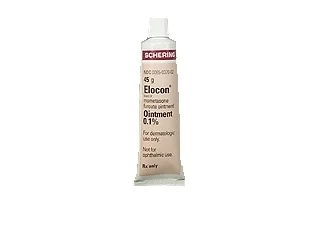
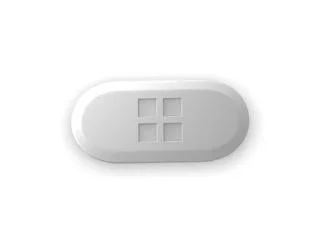
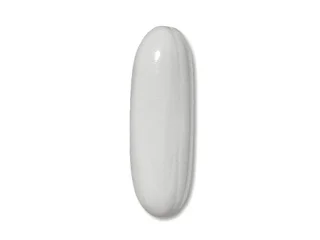
Aristocort
4mg
Triamcinolone 4mg tablets, used for inflammatory skin conditions, eczema and psoriasis. A synthetic corticosteroid taken by mouth rather than applied.
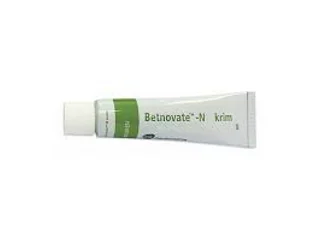

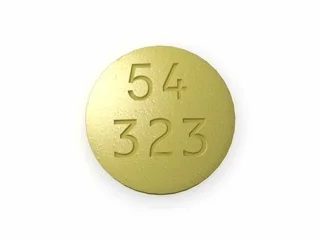
Methotrexate Tablets
2.5mg
Methotrexate 2.5mg tablets, used in the management of rheumatoid arthritis, psoriasis and Crohn's disease. A folic acid antagonist blocking dihydrofolate reductase.
Key points
- Psoriasis can resemble other rashes; plaque pattern, scalp or nail changes and joint symptoms help establish the diagnosis.
- Treatment depends on body area, extent, symptom burden, joint involvement, other conditions and previous response.
- Potent topical steroids and immune-modifying medicines require appropriate selection and monitoring; stronger is not automatically better.
Catalogue matches do not confirm psoriasis or indicate a suitable potency, formulation or systemic treatment.
What can trigger a flare?
Skin injury, infection, stress, smoking, alcohol and some medicines can contribute. Triggers vary, so a symptom record may be more useful than broad avoidance lists. Psoriasis is not caused by poor hygiene.
How do treatments differ?
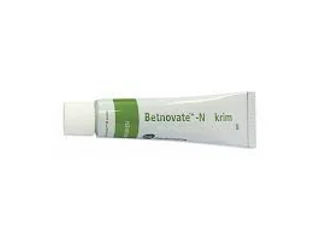
Moisturisers and topical treatments may suit limited disease. Medicines such as betamethasone differ greatly in potency and safe application site. Extensive disease or psoriatic arthritis may require phototherapy or specialist autoimmune support.
When to seek urgent care
Seek urgent care for widespread redness or pustules with fever, chills, dehydration or severe illness. A hot swollen joint or eye pain with vision change needs prompt assessment.
Further reading
What is psoriasis?
Psoriasis is a non-contagious condition, driven by the immune system, that causes recurring inflamed, scaly skin. It may also affect the nails and joints.
What can trigger a psoriasis flare?
Skin injury, infection, stress, smoking, alcohol and some medicines can contribute to a flare. Triggers vary from person to person, so keeping a symptom record may be more useful than broad avoidance lists.
How is psoriasis treated?
Moisturisers and creams or ointments may be enough when only small areas are affected. Widespread psoriasis or psoriatic arthritis may need light treatment (phototherapy) or specialist care. Treatment depends on the body area, how much skin is affected, symptoms, joint involvement, other conditions and how earlier treatment worked.
Which medicines for psoriasis does SGMeds list?
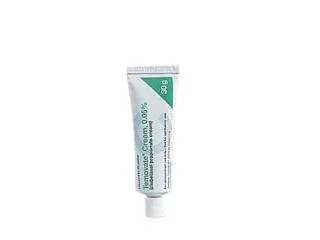
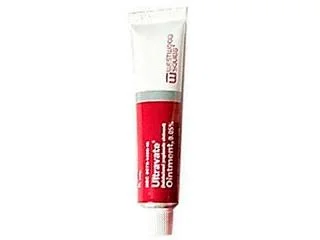
SGMeds lists products containing betamethasone, acitretin and clobetasol for psoriasis, for example Soriatane (acitretin) and Temovate (clobetasol). Each product page gives the strengths and forms.
When should I see a doctor about psoriasis?
Seek urgent care for widespread redness or pus-filled spots with fever, chills, dehydration or severe illness. A hot swollen joint, or eye pain with vision change, also needs prompt assessment. If you use a strong steroid cream or a medicine that affects the immune system, a doctor or pharmacist can check it is right for you and monitor it.
Can I buy medicines for psoriasis over the counter in Singapore?
Yes, online. SGMeds does not ask for a prescription to order medicines for psoriasis: we place the order with our pharmacy partner, which prepares it and arranges delivery on your behalf.
Ordering without a prescription →Where can I buy medicines for psoriasis online?
You can order them here on SGMeds: choose the product, strength and pack, then check out. Parcels go to Singapore and Malaysia by Express shipping (tracked, up to 1 week) or Regular shipping (up to 3 weeks).
How ordering works →Related articles

Learn why psoriasis creams, ointments, gels, solutions and shampoos are not interchangeable, and when extent or joint symptoms change treatment.
Read guide