
Atopic Dermatitis
Atopic dermatitis is a long-term inflammatory skin condition in which barrier dysfunction and immune activity cause recurrent itch, dryness and inflamed patches.
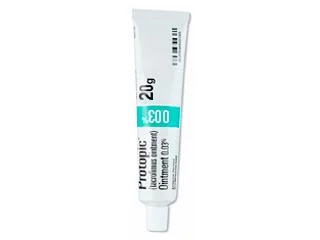
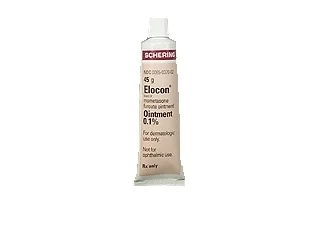
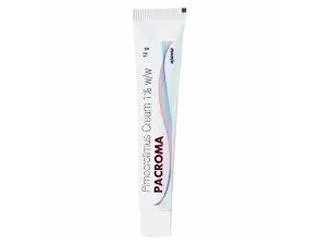
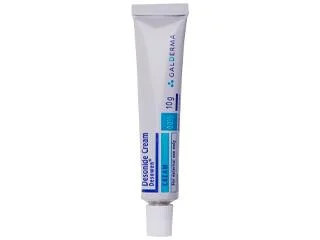
Desonate Cream
10g
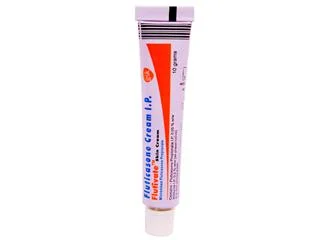
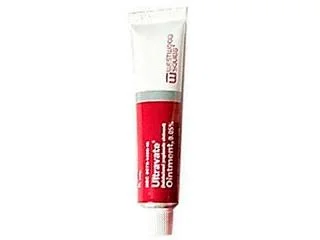
Desonide cream in a 10g tube, applied for atopic dermatitis and eczema. A low-potency topical corticosteroid, anti-inflammatory and anti-pruritic.
Key points
- Daily moisturising supports the skin barrier even between flares; anti-inflammatory treatment is added to active areas.
- Strength, formulation and duration of topical treatment should match the body site, age and severity.
- Oozing, crusting, rapidly worsening pain or clusters of blisters may indicate infection rather than an ordinary flare.
The listings below are not a universal eczema regimen; diagnosis, site, extent and infection risk affect suitability.
Building a practical skin routine
Use fragrance-free emollient frequently and a gentle cleanser or soap substitute. Heat, sweat, rough fabrics and irritants can aggravate some people, but exhaustive avoidance without a clear link is rarely useful. Scratching perpetuates inflammation, so itch and sleep deserve active attention.
Controlling inflammation
Topical corticosteroids are selected by potency and body area; appropriate intermittent use can be safer than undertreating repeated inflammation. Calcineurin inhibitors can suit sensitive sites or steroid-sparing plans. Widespread or refractory disease may need phototherapy or systemic specialist treatment with monitoring.
When to seek urgent care
Seek prompt care for fever with rapidly spreading redness, painful skin, pus or honey-coloured crusting. Urgent same-day assessment is needed for clusters of painful blisters, eye involvement or marked systemic illness.
Further reading
Related articles

Understand how moisturisers, topical steroids and calcineurin inhibitors differ, and why body site, potency and diagnosis affect eczema treatment.
Read guide