
Tacrolimus
Tacrolimus suppresses selected immune responses. Oral forms are used in transplant care, while topical forms may be used for dermatitis; these routes are not interchangeable.
Key points
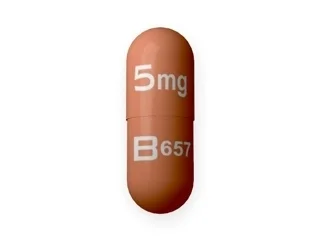
- Oral tacrolimus has systemic immunosuppressive effects and usually requires blood-level, kidney, blood-pressure, glucose and electrolyte monitoring.
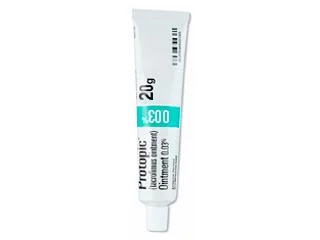
- Tacrolimus ointment acts mainly at the application site and has different instructions and adverse effects from oral treatment.
- Interactions can substantially change oral tacrolimus levels, increasing rejection risk or toxicity.
Select a listed product and pack to order online. Whether it suits you depends on route, indication and specialist or clinician review; ask your doctor or pharmacist.
What tacrolimus is used for
Oral tacrolimus may be used to prevent transplant rejection. Topical tacrolimus may be used for selected atopic dermatitis when a clinician considers it appropriate.
How it works
Tacrolimus inhibits calcineurin, reducing T-cell activation. The degree of whole-body immune suppression differs greatly between oral and topical use.
Clinically meaningful forms
Capsules and other systemic forms belong to a transplant regimen and require specialist continuity. Ointment is applied to the skin and must not be substituted for an oral product.
Important safety checks
For oral treatment, review infections, vaccines, kidney and liver function, blood pressure, glucose, electrolytes and all interacting medicines or foods. For topical treatment, avoid infected skin and follow advice about sun exposure and treatment areas.
When to seek urgent care
Seek urgent help for fever with severe illness, confusion, seizure, fainting, chest pain, very little urine, severe weakness, facial swelling or breathing difficulty. Transplant patients should contact their team promptly after missed doses, vomiting or any medicine change.
Further reading
Related articles

Understand how moisturisers, topical steroids and calcineurin inhibitors differ, and why body site, potency and diagnosis affect eczema treatment.
Read guide