
Fluorouracil
This page covers topical fluorouracil used for selected Actinic Keratosis and superficial Basal Cell Carcinoma. Injectable fluorouracil is a different oncology treatment with different uses and risks.
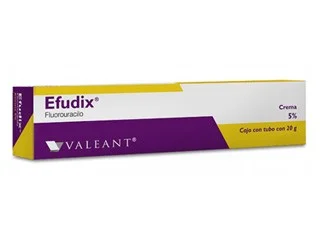
Key points
- Redness, crusting, soreness and erosion at the treated site are common, but the expected reaction depends on the product and treatment plan.
- Topical fluorouracil must be kept away from eyes, lips, nostrils, mucous membranes, untreated skin and pets.
- Pregnancy and known dihydropyrimidine dehydrogenase deficiency are major safety concerns that require clinician review.
Select a listed product and pack to order online. Product information is not a skin-cancer diagnosis or application plan. Whether it suits you depends on the exact lesion and product; ask your doctor or pharmacist.
How topical fluorouracil works
Fluorouracil disrupts DNA and RNA production in rapidly dividing abnormal cells. It also inflames treated skin, so the visible reaction does not by itself show whether treatment is proceeding normally or has become excessive.
Important safety checks
The lesion should be diagnosed before treatment. Pregnancy, breastfeeding, DPD deficiency, broken or infected skin and other topical products need review. Follow product-specific guidance on sun exposure, dressings, hand washing and safe storage. Prevent pets from licking the tube, applicator or treated skin because ingestion can be fatal to animals.
When to seek urgent care
Stop and obtain urgent medical advice for severe abdominal pain, bloody diarrhoea, repeated vomiting, fever, chills, mouth sores, marked weakness or a severe spreading skin reaction. Eye exposure, severe eye pain or visual change needs immediate irrigation as directed by the product information and urgent assessment.