
Bacterial Infection
A bacterial infection occurs when pathogenic bacteria invade or multiply at a body site and cause local tissue damage or a systemic response.
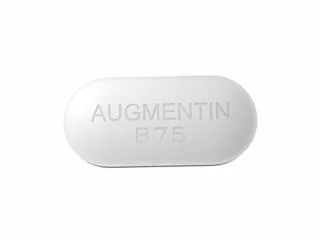
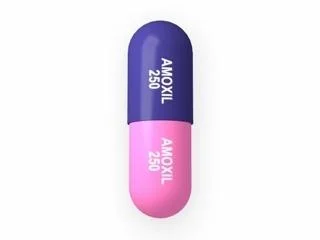
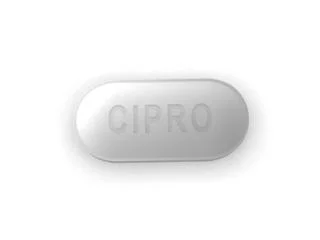

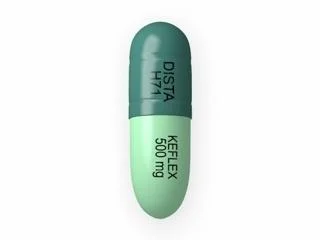
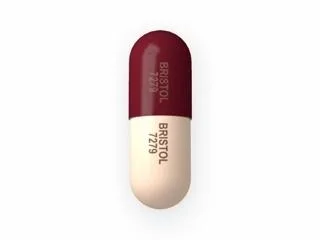
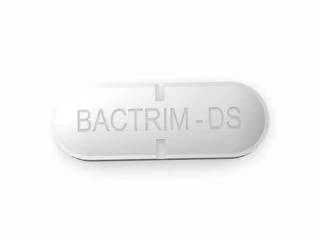


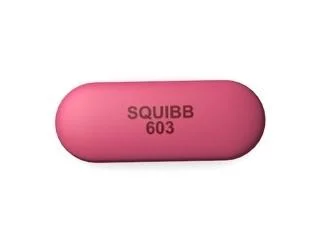


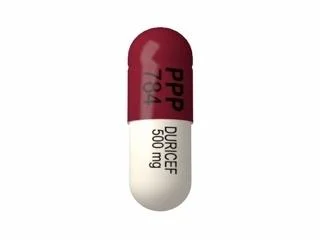
Zithromax Dispersible
100mg
Zithromax Dispersible is azithromycin 100mg in a tablet that disperses in water, for bacterial infection. It binds the 50S ribosomal subunit.


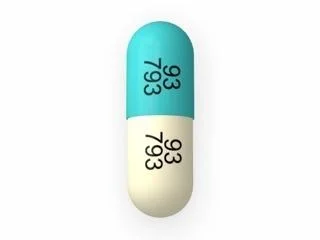
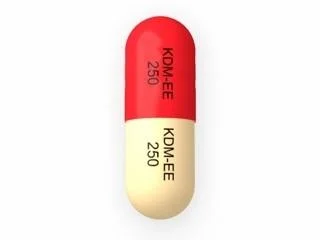
Chloromycetin
250 · 500mg
Chloramphenicol 250mg and 500mg hard capsules, used for bacterial infection and typhoid fever. It binds the 50S ribosomal subunit in bacteria.




Key points
- There is no single “bacterial infection” treatment; the source and severity determine tests, medicine and place of care.
- Fever, raised inflammatory markers or coloured mucus do not reliably distinguish bacteria from viruses on their own.
- Cultures are most useful when obtained from the correct site and when the result can change treatment.
The listings below do not demonstrate that antibiotics are needed; assessment should identify the likely source and urgency.
Finding the source
Symptoms guide examination toward skin, respiratory, urinary, abdominal, dental or other sites. Blood, urine, sputum, wound or tissue samples may be appropriate, while imaging can identify pneumonia, obstruction or an abscess. Severe infection requires cultures and treatment without unsafe delay.
Using antibiotics well
Selection considers likely organisms, local resistance, allergy, kidney and liver function, pregnancy and tissue penetration. Results allow treatment to be narrowed or stopped. Source control such as drainage may be essential, and taking leftover or unrelated antibiotics can mask disease and cause harm.
When to seek urgent care
Seek emergency care for confusion, fainting, severe breathlessness, blue or mottled skin, rapidly spreading redness, very low urine output, a rigid abdomen or rapid deterioration.