
Clavulanic Acid
Clavulanic acid inhibits selected bacterial beta-lactamases and is used with a penicillin antibiotic. The active combination, not clavulanic acid alone, determines treatment.

Key points
- Clavulanic acid expands activity against selected beta-lactamase-producing bacteria but does not overcome all antibiotic resistance.
- The companion antibiotic, formulation and ingredient ratio must match the prescription.
- Liver injury and antibiotic-associated diarrhoea are important combination-product risks.
Select a listed product and pack to order online. Whether it suits you depends on the complete antibiotic product and bacterial infection; ask your doctor or pharmacist.
What clavulanic acid is used for
It is paired with a penicillin for selected bacterial infections. It should not be selected separately or used for viral illness.
How it works
Clavulanic acid binds to selected beta-lactamase enzymes, protecting the companion penicillin from breakdown.
Important safety checks
Review severe beta-lactam allergy, previous combination-related jaundice or liver injury, liver or kidney disease, pregnancy, anticoagulants and previous antibiotic-associated colitis.
When to seek urgent care
Seek urgent help for facial swelling, breathing difficulty, blistering skin, yellow skin or eyes, dark urine, severe abdominal pain, or severe or bloody diarrhoea.
Further reading
What is clavulanic acid used for?
Clavulanic acid is paired with a penicillin antibiotic for some bacterial infections. Clavulanic acid itself is never used alone, and it does nothing for viral illness.
How does clavulanic acid work?
Clavulanic acid binds to certain beta-lactamase enzymes and stops them breaking down the companion penicillin.
What clavulanic acid products does SGMeds list?
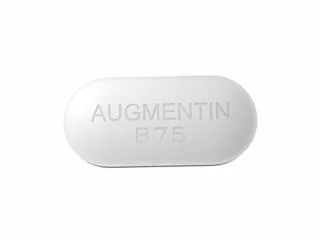
Products containing clavulanic acid on SGMeds include Augmentin and Advent DT. Compare their forms, strengths and pack sizes.
What are the side effects of clavulanic acid?
Diarrhoea and nausea are common. Some people also get vomiting or a skin rash. Liver inflammation (hepatitis) and a severe allergic reaction (anaphylaxis) are serious and need immediate medical attention.
Can clavulanic acid be taken with other medicines?
Clavulanic acid can interact with blood thinners (anticoagulants), so tell your doctor or pharmacist if you take an anticoagulant.
What does clavulanic acid cost in Singapore dollars?
Each product on this page shows a price for each strength and pack size in Singapore dollars, converted from US dollars, so the exchange rate can change the final amount. Larger packs usually cost less per tablet.
Payment and prices →Do I need a prescription for clavulanic acid in Singapore?
No. SGMeds does not ask for a prescription to order clavulanic acid: we place the order with our pharmacy partner, which prepares it and arranges delivery on your behalf.
Ordering without a prescription →Do you deliver clavulanic acid to Singapore?
Yes. Parcels go to Singapore and Malaysia by Express shipping (tracked, up to 1 week) or Regular shipping (up to 3 weeks).
How ordering works →