
Respiratory Tract Infection
A respiratory tract infection (RTI) can affect the nose, throat, airways or lungs. Most uncomplicated upper RTIs are viral, while lower or severe illness needs closer assessment.
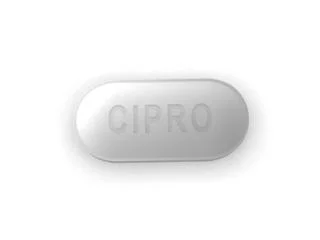

Vibramycin
100mg
Doxycycline 100mg capsules and tablets, used for acne vulgaris, chlamydia, Lyme disease and respiratory tract infection. A broad-spectrum tetracycline.
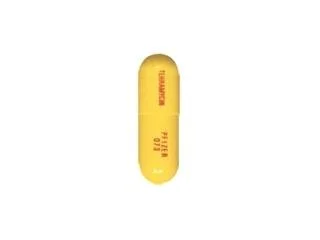
Terramycin
250mg
Oxytetracycline 250mg film-coated tablets, used for acne vulgaris and respiratory tract infection. A broad-spectrum tetracycline taken by mouth.

Key points
- Cough, congestion and sore throat do not by themselves show whether an infection is viral or bacterial.
- Breathing status, illness duration, focal findings, age, immune status and testing guide diagnosis and treatment.
- Antibiotics do not treat viral RTIs; selection for bacterial disease depends on site, severity, allergies and resistance.
Catalogue antibiotic matches do not establish bacterial infection or indicate a suitable medicine.
What changes the assessment?
Breathlessness, chest pain, confusion, dehydration or deterioration after initial improvement can signal lower respiratory disease or a complication. Discoloured mucus alone is not proof that antibiotics are needed.
When might an antibiotic be used?
Confirmed or strongly suspected bacterial infection may require an antibiotic. Entries such as doxycycline or roxithromycin are not interchangeable recommendations; local guidance and patient factors determine selection.
When to seek urgent care
Seek emergency care for severe breathing difficulty, blue or grey lips, confusion, collapse, coughing blood or chest pain. Infants, frail older adults and immunocompromised people warrant earlier assessment.