
 Prostate Health
Medicines for the urinary symptoms of benign prostatic hyperplasia: alpha blockers that relax the bladder outlet, and 5-alpha-reductase inhibitors that act on prostate size itself.



Key points
- Alpha blockers can ease urinary symptoms within days; prostate-shrinking medicines work gradually and are judged over months.
- Dutasteride lowers PSA readings by roughly half, so any clinician interpreting a PSA test needs to know it is being taken.
- Inability to pass urine, blood in urine, fever with urinary pain or severe lower-abdominal pain needs prompt care.
Select a listed product and pack to order online. Supply depends on stock and destination rules; ask your doctor or pharmacist whether it suits you.
How the medicine groups differ
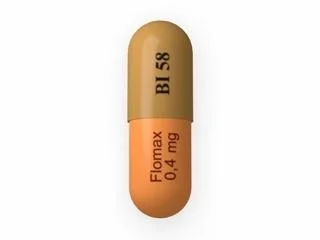
- Alpha blockers: tamsulosin, alfuzosin and terazosin relax smooth muscle around the prostate and bladder outlet. Dizziness and low blood pressure are the common trade-off, and terazosin is also used for high blood pressure.
- 5-alpha-reductase inhibitors: dutasteride reduces prostate volume over months rather than days.
- Combination: Jalyn pairs the two mechanisms in one capsule, for symptoms an alpha blocker alone has not settled.
What these medicines are used for
The linked condition is benign prostatic hyperplasia. Urinary symptoms still need assessment, because infection, stones and prostate cancer can present the same way. Medicines for prostate cancer are listed under oncology support, and dutasteride’s separate use in pattern hair loss sits under hair loss.
Important safety checks
Blood pressure, other urinary medicines and planned cataract surgery all bear on treatment: alpha blockers are linked to intraoperative floppy iris syndrome, which a surgeon needs warning about. Combining an alpha blocker with a medicine for erectile dysfunction can drop blood pressure further.
When to seek urgent care
Get urgent help for inability to urinate, severe lower-abdominal pain with a full bladder, visible blood in urine, fever with flank or urinary pain, fainting or a severe allergic reaction.
Further reading
What prostate medicines are on SGMeds?
There are 6 prostate medicines on SGMeds, containing 4 different active ingredients such as dutasteride, tamsulosin and terazosin. They include Flomax and Hytrin, and the full list is on this page.
What conditions are prostate medicines used for?
The prostate medicines listed here are used for an enlarged prostate (benign prostatic hyperplasia).
In what forms are prostate medicines sold?
Most are capsules, and there are also tablets. Each product page lists the medicine's form and strengths.
How do I compare these prostate medicines?
Compare the active ingredient first: products with matching active ingredients contain the same medicine. Then compare strength, form and price per tablet. Each product page sets out what the medicine is used for, its side effects and its interactions. Check with a doctor or pharmacist first if you take other medicines or have a long-term condition.
Are these prostate medicines originals or generics?
Generics. Even when a product is listed under a brand name, you receive a generic or branded generic with the same active ingredient at the strength you choose, not the original brand's pack. Brand names such as Uroxatral and Jalyn are there so you can find the medicine. The manufacturer varies with stock.
What you will receive →How are prostate medicines priced?
Every strength and pack size is priced on its product page, shown in Singapore dollars. The prices are converted from US dollars, so the exchange rate can change the final amount. Larger packs usually cost less per tablet.
Payment and prices →Can I order prostate medicines without a prescription in Singapore?
Yes. SGMeds does not ask for a prescription when you order prostate medicines. We place the order with our pharmacy partner, which prepares it and arranges delivery on your behalf.
Ordering without a prescription →Where can I buy prostate medicines online in Singapore?
You can order them here on SGMeds. Choose the medicine on this page, then its strength and pack, and check out. Parcels to Singapore and Malaysia go by Express shipping (tracked, up to 1 week) or Regular shipping (up to 3 weeks).
How ordering works →