
Semaglutide
Semaglutide is a GLP-1 receptor agonist available in different products for type 2 diabetes or weight management. The products, routes and approved indications are not interchangeable.
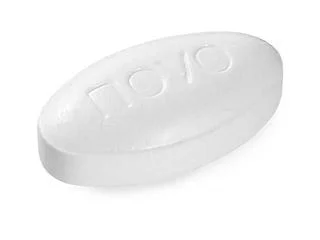
Key points
- Oral and injectable semaglutide products have different instructions and may be intended for different clinical uses.
- Digestive adverse effects can lead to dehydration and may affect kidney function or absorption of other oral medicines.
- Severe persistent abdominal pain can indicate pancreatitis or gallbladder disease and needs prompt assessment.
Select a listed product and pack to order online. Suitability and supply depend on the exact product, clinical indication, prescription, stock and pharmacy checks.
What semaglutide is used for
Selected semaglutide products are used in type 2 diabetes mellitus. Other products may be used for eligible patients within clinician-led weight management. A diabetes product should not be assumed suitable for weight treatment.
How it works
Semaglutide activates GLP-1 receptors, increasing glucose-dependent insulin release, reducing glucagon and affecting appetite and stomach emptying. Individual response and adverse effects vary.
Clinically meaningful forms
Tablets and injections have different administration requirements. Brand familiarity, strength or route alone does not establish an equivalent product or indication.
Important safety checks
Review pregnancy plans, pancreatitis or gallbladder history, severe digestive disease, kidney problems, eye disease related to diabetes and other glucose-lowering medicines. Insulin or sulfonylureas can increase low-blood-sugar risk when used with semaglutide.
When to seek urgent care
Seek urgent help for severe persistent abdominal pain, repeated vomiting with inability to keep fluids down, signs of severe dehydration, facial swelling or breathing difficulty. Severe low blood sugar requires immediate treatment according to the clinical plan.
Further reading
Related articles

22 Sept 2026 ⋅ 6 min read
GLP-1 Medicines for Diabetes and Weight Loss Are Not Interchangeable
Why Ozempic, Wegovy, Rybelsus and Saxenda differ by product purpose, route, strength, instructions and monitoring despite a shared medicine family.
Read guide