
Tamoxifen
Tamoxifen blocks oestrogen effects in breast tissue and is used in selected hormone-sensitive breast-cancer treatment or risk-reduction plans. Benefits and duration depend on individual cancer and clot risks. Listed uses include oestrogen-receptor-positive breast cancer and breast cancer.
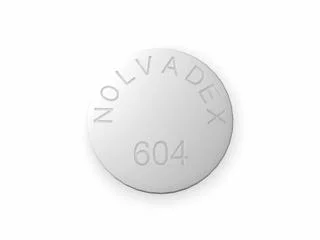
Key points
- Tamoxifen is selected using tumour biology, treatment history and individual risk, not by brand alone.
- Blood clots, uterine changes, pregnancy and medicines that reduce tamoxifen activation require review.
- Chest pain, sudden breathlessness, one-sided leg swelling or stroke signs needs emergency care.
Select a listed product and pack to order online. Supply depends on stock and destination rules; ask your doctor or pharmacist whether it suits you.
How it works
Tamoxifen is a selective oestrogen receptor modulator. It blocks oestrogen signalling in breast tissue while having different effects in bone, liver and the uterus.
Important safety checks
Clot history, unexplained uterine bleeding, pregnancy, eye symptoms, liver health and CYP2D6-interacting medicines require review. New vaginal bleeding or pelvic pressure should be assessed promptly. Pregnancy must be avoided according to the oncology plan.
When to seek urgent care
Seek urgent help for chest pain, sudden breathlessness, coughing blood, one-sided leg swelling, facial droop, limb weakness, speech difficulty, sudden vision loss or very heavy vaginal bleeding with weakness or fainting.