
Conjunctivitis
Conjunctivitis is inflammation of the conjunctiva, producing a red eye with discharge, watering or itch depending on the cause.
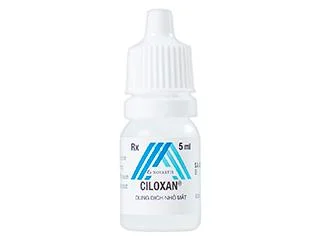
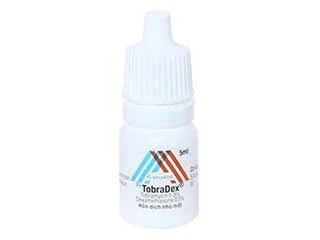
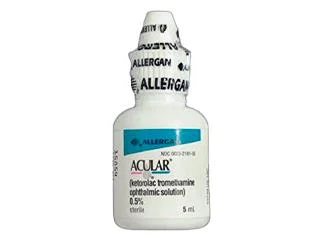
Key points
- Thick sticky discharge favours bacterial infection, watery symptoms with a cold suggest viral disease, and prominent itch suggests allergy.
- Antibiotic drops do not treat viral or allergic conjunctivitis and are not needed for every red eye.
- Pain, light sensitivity, vision change or contact-lens use raises concern for corneal disease rather than simple conjunctivitis.
The listings below do not identify the cause; warning symptoms need examination before eye drops are selected.
Separating common causes
Viral conjunctivitis often starts in one eye and spreads, while allergic disease is commonly bilateral and recurrent. Irritants, dry eye, eyelid inflammation and medication reactions can also cause redness. Hygiene and avoiding shared towels reduce infectious spread; contact lenses should be removed.
Treatment choices
Lubricants and cool compresses ease several forms. Antihistamine drops target allergy, and topical antibiotics may shorten selected bacterial cases. Corticosteroid-containing drops can worsen herpes or other infection and should not be used without specialist supervision.
When to seek urgent care
Arrange urgent eye assessment for severe pain, light sensitivity, reduced or distorted vision, a white corneal spot, injury, chemical exposure, marked swelling or a red painful eye after contact-lens use.