
Cyclopentolate
Cyclopentolate eye drops cause temporary mydriasis and cycloplegia so the inside of the eye and focusing power can be assessed.
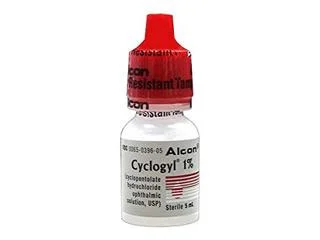
Key points
- Blurred near vision and light sensitivity can persist after the examination, affecting driving and reading.
- Narrow drainage angles, glaucoma risk and sensitivity to anticholinergic medicines require review.
- Severe eye pain with headache or vomiting, marked confusion or breathing difficulty needs urgent care.
Select a listed product and pack to order online. Supply depends on stock and destination rules; ask your doctor or pharmacist whether it suits you.
How it works
Cyclopentolate blocks muscarinic receptors in the iris and focusing muscle, widening the pupil and temporarily preventing accommodation.
Important safety checks
The examiner should know about glaucoma risk, neurological vulnerability, pregnancy and other anticholinergic medicines. Avoid touching the dropper tip and follow advice about punctal pressure to reduce systemic absorption. Protect dilated eyes from bright light.
When to seek urgent care
Seek urgent eye care for severe eye pain, a red eye with headache, halos, nausea or vomiting, or sudden vision loss. Seek emergency help for severe agitation or confusion, very fast heartbeat, high fever, seizure, facial swelling or breathing difficulty.