
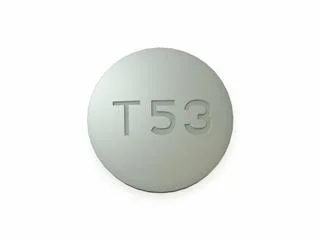
Diamox
250mg
Acetazolamide 250mg tablets, used in the management of glaucoma, oedema and acute mountain sickness. A carbonic anhydrase inhibitor taken by mouth.
Glaucoma is progressive damage to the optic nerve, often associated with raised pressure inside the eye. Open-angle glaucoma is usually painless and gradual, while acute angle closure can cause sudden pain and rapid sight loss.
250mg
Acetazolamide 250mg tablets, used in the management of glaucoma, oedema and acute mountain sickness. A carbonic anhydrase inhibitor taken by mouth.
3ml
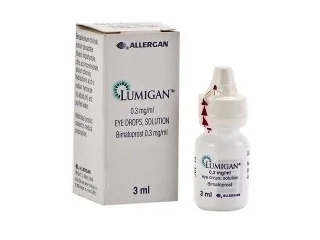
Bimatoprost eye drops in a 3ml bottle, used in the management of glaucoma and ocular hypertension. A structural prostaglandin F2-alpha analogue.
3ml
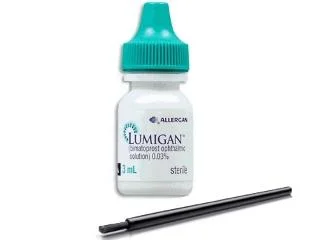
Lumigan with applicators pairs the 3ml bimatoprost eye drops with applicators for glaucoma and ocular hypertension. Pressure falls as outflow rises.
3ml
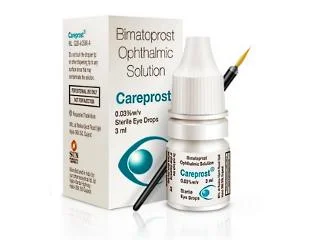
Careprost with applicators supplies bimatoprost 3ml eye drops and the applicators, for glaucoma and ocular hypertension. It drains fluid from the eye.
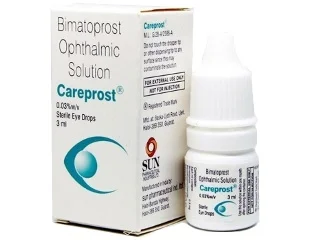
3ml
Careprost is bimatoprost as a 3ml eye drop solution for glaucoma and ocular hypertension, lowering pressure by promoting aqueous humour outflow.
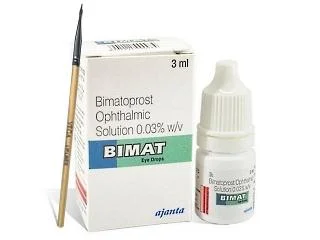
3ml
Bimat with applicators is bimatoprost eye drops in a 3ml bottle for glaucoma and ocular hypertension. A prostaglandin analogue that raises fluid outflow.
2.5ml
Latanoprost eye drops in a 2.5ml bottle, used in the management of glaucoma and ocular hypertension. A prostaglandin analogue that aids outflow.
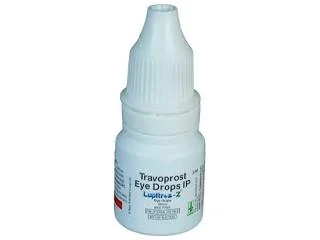
2.5ml
Travoprost eye drops in a 2.5ml bottle, used in the management of glaucoma and ocular hypertension. An FP receptor agonist that raises outflow.
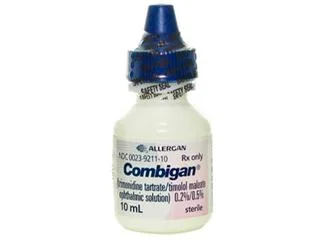
0.2/0.5%
Brimonidine with timolol as 0.2/0.5% eye drops, used in the management of glaucoma and ocular hypertension. It cuts fluid production and aids drainage.
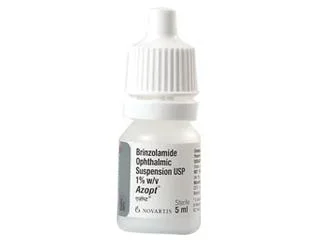
1%
Brinzolamide 1% eye drop suspension, used in the management of glaucoma and ocular hypertension. A carbonic anhydrase inhibitor that cuts aqueous humour.
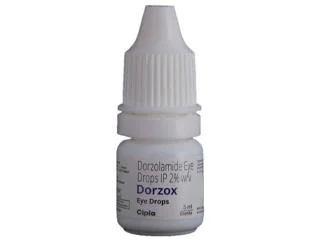
2%
Dorzolamide 2% eye drops, used in the management of glaucoma and ocular hypertension. A carbonic anhydrase inhibitor acting at the ciliary processes.
An eye-pressure medicine listing does not confirm glaucoma or identify a target pressure; subtype, optic-nerve damage and other health conditions guide treatment.
An eye professional assesses pressure, the drainage angle, corneal thickness, the optic nerve and visual fields. Family history, age, short-sightedness and steroid exposure affect risk. Regular follow-up detects change that a single pressure reading can miss.
Drops such as latanoprost, timolol or brimonidine work differently and have distinct eye and systemic effects. Heart or breathing conditions may limit beta-blocker drops. Laser or surgery may be preferred when drops are insufficient or unsuitable. See eye care for class information.
Seek emergency eye care for sudden eye pain or redness with blurred vision, rainbow haloes, headache, nausea or vomiting. Sudden vision loss or a new curtain-like shadow also requires immediate assessment.
Last updated

Why lubricant, antibiotic, steroid and glaucoma drops have different roles, and why sterility, opening date and eye symptoms matter.
Read guide