
Dorzolamide
Dorzolamide eye drops reduce fluid production inside the eye. They may be used for open-angle glaucoma or ocular hypertension.
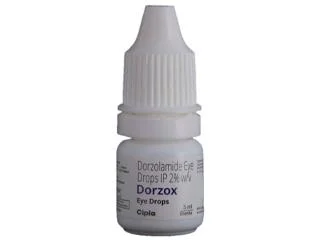
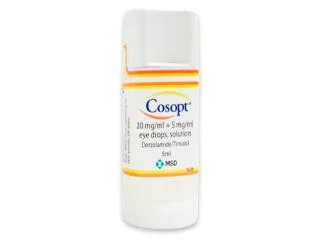
Key points
- Dorzolamide controls pressure but does not reverse existing optic-nerve damage.
- Severe kidney impairment, corneal problems and reactions to sulfonamide medicines require review.
- Sudden vision change, severe eye pain or a widespread allergic reaction needs urgent care.
Select a listed product and pack to order online. Supply depends on stock and destination rules; ask your doctor or pharmacist whether it suits you.
How it works
Dorzolamide inhibits carbonic anhydrase in the ciliary body, reducing aqueous-fluid production and intraocular pressure.
Important safety checks
Kidney disease, corneal disease, pregnancy and other carbonic anhydrase inhibitors require review. Avoid touching the bottle tip, use the prescribed eye only and follow spacing instructions for other eye drops and contact lenses.
When to seek urgent care
Seek urgent eye care for sudden or rapidly worsening vision, severe pain, marked redness with light sensitivity, trauma or chemical exposure. Seek emergency help for facial swelling, breathing difficulty or extensive blistering rash.
Further reading
Related articles

Why lubricant, antibiotic, steroid and glaucoma drops have different roles, and why sterility, opening date and eye symptoms matter.
Read guide