
Brimonidine
Brimonidine eye drops reduce fluid production and increase drainage inside the eye. They may be used for glaucoma or ocular hypertension.
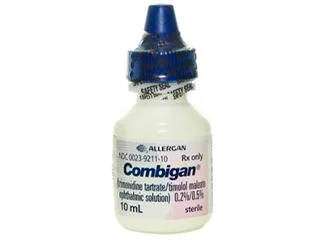
Key points
- Brimonidine controls eye pressure only while it is used consistently and monitored.
- It can cause drowsiness, low blood pressure or allergic eye redness, and some antidepressants interact.
- Sudden vision change, severe eye pain, collapse or breathing difficulty needs urgent assessment.
Select a listed product and pack to order online. Supply depends on stock and destination rules; ask your doctor or pharmacist whether it suits you.
How it works
Brimonidine stimulates alpha-2 receptors in the eye, reducing aqueous-fluid production and increasing outflow.
Important safety checks
Low blood pressure, cardiovascular disease, pregnancy, kidney or liver problems and monoamine-oxidase inhibitors or selected antidepressants require review. Avoid touching the bottle tip, use the prescribed eye only and follow contact-lens instructions. Keep drops away from children because accidental ingestion can be dangerous.
When to seek urgent care
Seek urgent eye care for sudden vision loss, severe pain, marked redness with light sensitivity or eye injury. Seek emergency help for collapse, profound drowsiness, slowed breathing, facial swelling or breathing difficulty.
Further reading
Related articles

Why lubricant, antibiotic, steroid and glaucoma drops have different roles, and why sterility, opening date and eye symptoms matter.
Read guide
22 Sept 2026 ⋅ 7
Rosacea Gels Treat Different Features: What Actually Differs
Compare metronidazole, azelaic acid, ivermectin and redness-directed rosacea treatments by the feature they target rather than texture alone.
Read guide