
Ocular Hypertension
Ocular hypertension is raised intraocular pressure without the optic-nerve damage or visual-field loss required for a glaucoma diagnosis.
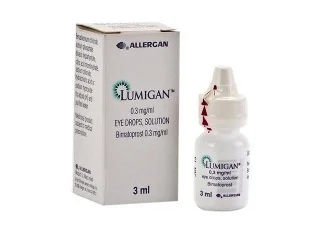
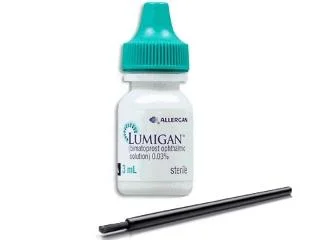
Lumigan + Applicators
3ml
Lumigan with applicators pairs the 3ml bimatoprost eye drops with applicators for glaucoma and ocular hypertension. Pressure falls as outflow rises.
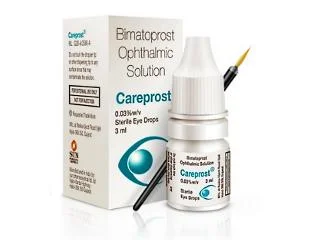
Careprost + Applicators
3ml
Careprost with applicators supplies bimatoprost 3ml eye drops and the applicators, for glaucoma and ocular hypertension. It drains fluid from the eye.
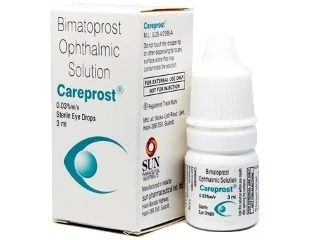
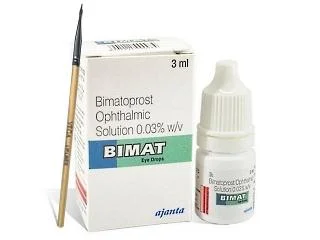
Bimat + Applicators
3ml
Bimat with applicators is bimatoprost eye drops in a 3ml bottle for glaucoma and ocular hypertension. A prostaglandin analogue that raises fluid outflow.
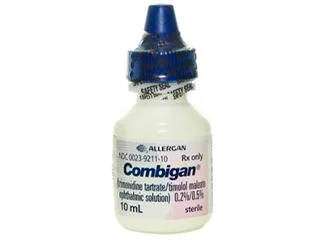
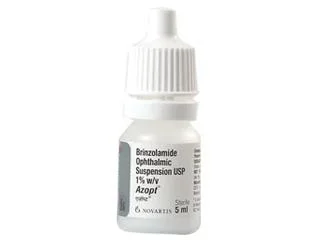
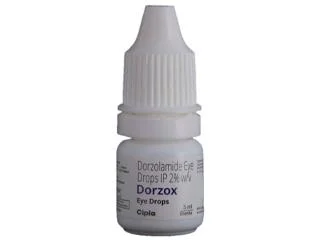
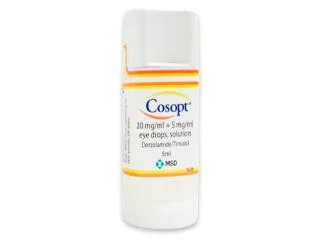
Key points
- One pressure reading is insufficient because measurements vary and corneal thickness affects interpretation.
- Treatment depends on estimated conversion risk, including pressure level, age, optic-nerve appearance and family history.
- Monitoring is an active plan with repeated pressure, nerve imaging and visual fields rather than “doing nothing.”
The listings below are not automatically appropriate for raised pressure; an eye specialist should define risk and target.
Measuring glaucoma risk
Gonioscopy confirms an open drainage angle, pachymetry measures corneal thickness and optic-nerve imaging provides a baseline. Visual-field tests detect functional change. Steroid exposure, trauma and pigment or pseudoexfoliation findings can alter risk.
Observation or pressure lowering
Lower-risk patients may be monitored, while higher-risk eyes use drops or laser to reduce pressure. Prostaglandin analogues, beta blockers and other agents have ocular and systemic contraindications. Technique, adherence and treatment burden are reviewed against the target pressure.
When to seek urgent care
Seek same-day eye care for sudden severe eye pain, halos, rapidly blurred vision, headache with nausea or vomiting, or a red eye with a fixed or unusual pupil.