
Baclofen
Baclofen reduces abnormal muscle stiffness and spasms caused by conditions affecting the brain or spinal cord. It can cause sedation and must not be stopped suddenly after regular use. Listed uses include muscle spasticity, multiple sclerosis, spinal cord injury and spinal cord spasm.
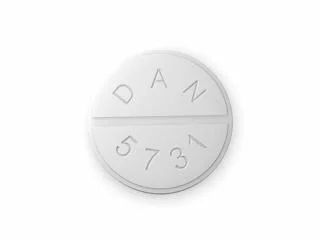

Key points
- Baclofen may reduce spasticity but can also weaken muscles needed for balance or movement.
- Kidney function, sedating medicines and alcohol affect the risk of accumulation and drowsiness.
- Abrupt withdrawal can cause severe agitation, hallucinations, fever or seizures and needs urgent care.
Select a listed product and pack to order online. Suitability and supply depend on clinician and pharmacy checks, stock, destination rules and prescription requirements.
How it works
Baclofen activates GABA-B receptors in the spinal cord, reducing nerve signals that trigger excessive muscle contraction.
Important safety checks
Kidney disease, epilepsy, severe mental-health symptoms and medicines that cause drowsiness require review. Avoid driving until the effect is known. Treatment changes should be gradual and clinician-directed; a missed supply should be addressed before withdrawal develops.
When to seek urgent care
Seek urgent help for severe drowsiness or slowed breathing, collapse, a seizure, or withdrawal symptoms such as marked agitation, hallucinations, fever, confusion or rapidly worsening spasms.