
Colchicine
Colchicine reduces inflammation caused by crystal and immune-cell activity. It has a narrow safety margin, and overdose or interacting medicines can be fatal.
Colchicum Autumnale
Gout
0.5mg
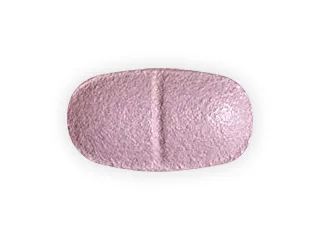
Colchicine 0.5mg tablets, used for gout. It blocks tubulin polymerisation, so neutrophils do not migrate into the inflamed joint.
Key points
- Colchicine can treat or help prevent selected gout flares but does not lower uric acid.
- Kidney or liver impairment and strong enzyme or transporter inhibitors can markedly increase toxicity.
- Diarrhoea, vomiting or abdominal pain can be early toxicity signs rather than harmless effects.
Select a listed product and pack to order online. Whether it suits you depends on the indication, kidney and liver function and interaction checks; ask your doctor or pharmacist.
What colchicine is used for
Colchicine may be used for acute or preventive management of gout and selected specialist-managed inflammatory conditions. The treatment plan differs by purpose.
How it works
Colchicine disrupts microtubule activity in inflammatory cells, reducing the response to urate crystals. It is not a conventional painkiller.
Important safety checks
Review kidney and liver function, blood disorders, pregnancy and every medicine, especially certain macrolide antibiotics, antifungals, antivirals and statins. Never repeat treatment beyond the prescribed plan.
When to seek urgent care
Seek urgent help for suspected overdose, severe vomiting or diarrhoea, marked abdominal pain, muscle weakness or pain, numbness, unusual bruising, fever, very little urine, facial swelling or breathing difficulty.
Further reading
What is colchicine used for?
Colchicine is used for gout. It can treat a gout flare or help prevent flares, but it does not lower uric acid.
How does colchicine work?
Colchicine calms the white blood cells that cause inflammation around gout crystals, so the swelling and pain ease. It is not a painkiller in the usual sense.
Which products contain colchicine?
Products containing colchicine on SGMeds include Colcrys and Colchicum Autumnale. Compare their forms, strengths and pack sizes.
How long does colchicine take to work?
Colchicine usually starts working within 12 to 24 hours. The effect of a dose lasts roughly 24 to 48 hours.
Can colchicine be taken with other medicines?
Some medicines raise the amount of colchicine in your body to a dangerous level, including clarithromycin, an immune-suppressing medicine (ciclosporin) and statins. Ask your doctor or pharmacist to check your medicines before you take it.
How is colchicine priced?
Each product on this page shows a price for each strength and pack size in Singapore dollars, converted from US dollars, so the exchange rate can change the final amount. Larger packs usually cost less per tablet.
Payment and prices →Do I need a prescription for colchicine in Singapore?
No. SGMeds does not ask for a prescription to order colchicine: we place the order with our pharmacy partner, which prepares it and arranges delivery on your behalf.
Ordering without a prescription →Do you deliver colchicine to Singapore?
Yes. Parcels go to Singapore and Malaysia by Express shipping (tracked, up to 1 week) or Regular shipping (up to 3 weeks).
How ordering works →Related articles

22 Sept 2026 ⋅ 6 min read
Gout Flare Medicine vs Uric-Acid-Lowering Medicine
Understand the different roles of colchicine, NSAIDs and corticosteroids for flares versus allopurinol and febuxostat for urate lowering.
Read guide