
Gout
Gout is inflammatory arthritis caused by monosodium urate crystals in a joint. A flare usually brings rapid-onset pain, redness, warmth and swelling, often in the big toe, ankle or knee.
Colchicum Autumnale
0.5mg
Colchicine 0.5mg tablets, used for gout. It blocks tubulin polymerisation, so neutrophils do not migrate into the inflamed joint.
Key points
- A hot swollen joint is not automatically gout; joint infection must be considered, especially with fever or marked illness.
- Flare treatment reduces inflammation, while long-term urate-lowering treatment prevents crystal formation and future damage.
- Kidney function, heart disease, current medicines and attack history affect which options are safe.
Listings cannot confirm gout or select treatment from a uric-acid result alone; diagnosis and the aim of treatment must be clear first.
How is gout assessed?
The pattern and history help, but crystal identification from joint fluid is the most direct confirmation and can also test for infection. A urate level may fall during a flare, so a normal result at that moment does not exclude gout.
How do short- and long-term treatments differ?
Colchicine and other anti-inflammatory options can treat a flare but do not lower the body’s urate burden. Allopurinol or febuxostat may be used for prevention when indicated. Starting, stopping or changing urate-lowering treatment during illness requires clinical advice. See pain management for related classes.
When to seek urgent care
Seek same-day care for a first hot swollen joint, fever or chills, rapidly spreading redness, inability to bear weight, recent joint surgery or injection, or severe illness. These features may indicate septic arthritis.
Further reading
What is gout?
Gout is inflammatory arthritis caused by monosodium urate crystals in a joint. A flare usually brings rapid-onset pain, redness, warmth and swelling, often in the big toe, ankle or knee.
How is gout assessed?
Testing fluid taken from the joint is the most direct confirmation, because it shows the crystals and can also rule out infection. A urate level can fall during a flare, so a normal result at that time does not rule gout out.
How is a gout flare treated?
Colchicine and other anti-inflammatory medicines can calm a flare but do not lower the amount of urate in the body. Allopurinol or febuxostat may be used to prevent attacks when appropriate. If you need to start, stop or change a urate-lowering medicine while unwell, ask a doctor or pharmacist first.
Which tablets for gout can I order?
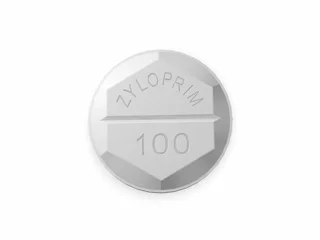
SGMeds lists products containing colchicine, allopurinol and a gout medicine (probenecid) for gout, for example Zyloprim (allopurinol) and Colcrys (colchicine). Each product page gives the strengths and forms.
When should I see a doctor about gout?
Get same-day care for a first hot swollen joint, fever or chills, rapidly spreading redness, being unable to bear weight, or severe illness, especially after recent joint surgery or an injection. These signs may point to an infected joint (septic arthritis).
Can I order medicines for gout without a prescription?
Yes. SGMeds does not ask for a prescription to order medicines for gout: we place the order with our pharmacy partner, which prepares it and arranges delivery on your behalf.
Ordering without a prescription →Do you deliver medicines for gout to Singapore?
Yes. Parcels go to Singapore and Malaysia by Express shipping (tracked, up to 1 week) or Regular shipping (up to 3 weeks).
How ordering works →Related articles

22 Sept 2026 ⋅ 6 min read
Gout Flare Medicine vs Uric-Acid-Lowering Medicine
Understand the different roles of colchicine, NSAIDs and corticosteroids for flares versus allopurinol and febuxostat for urate lowering.
Read guide
22 Sept 2026 ⋅ 6 min read
NSAID Painkillers in Heat: Kidney, Stomach and Heart Checks
Compare NSAIDs by kidney, stomach, bleeding and cardiovascular checks, not by which brand seems strongest, especially around dehydration.
Read guide