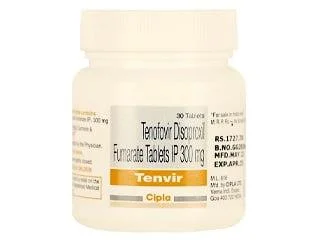
Triumeq
Abacavir, Dolutegravir, Lamivudine
600/50/300mg
Abacavir, dolutegravir and lamivudine in one tablet, used in the management of HIV infection. Three agents against three stages of the viral cycle.
HIV targets CD4 immune cells and weakens immunity if untreated. Combination antiretroviral therapy can suppress the virus, protect health and prevent sexual transmission when an undetectable viral load is achieved and maintained.
Abacavir, Dolutegravir, Lamivudine
600/50/300mg
Abacavir, dolutegravir and lamivudine in one tablet, used in the management of HIV infection. Three agents against three stages of the viral cycle.

50mg
Dolutegravir 50mg film-coated tablets, used in the management of HIV infection. An integrase inhibitor that blocks the strand transfer step.

150mg
Lamivudine 150mg film-coated tablets, used in the management of HIV infection and chronic hepatitis B. A nucleoside analogue acting on reverse transcriptase.

300/200mg
Tenofovir with emtricitabine as a 300/200mg film-coated tablet, for HIV infection and pre-exposure prophylaxis. Two reverse transcriptase inhibitors.

400mg
Raltegravir 400mg film-coated tablets, used in the management of HIV infection. An integrase strand transfer inhibitor, blocking the enzyme the virus needs.
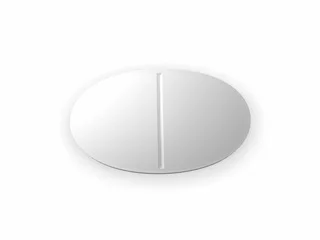
200mg
Nevirapine 200mg tablets, used in the management of HIV infection. An NNRTI that binds reverse transcriptase directly rather than as a substrate.

400mg
Zepdon is raltegravir 400mg tablets for HIV infection, an integrase strand transfer inhibitor that keeps viral DNA out of the host genome.
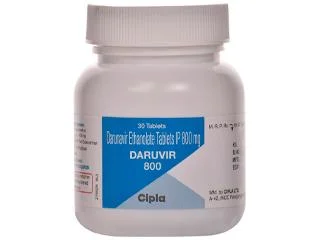
600 · 800mg
Darunavir 600mg and 800mg film-coated tablets, used in the management of HIV infection. A protease inhibitor that halts assembly of new virus.
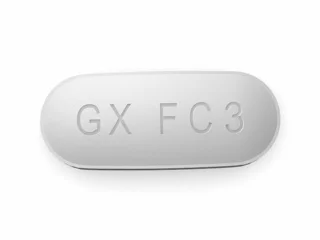
300/150mg
Lamivudine with zidovudine as a 300/150mg film-coated tablet, used in the management of HIV infection. Two nucleoside reverse transcriptase inhibitors.
The catalogue cannot diagnose HIV or define a regimen; specialist prescribing and viral-load, kidney, liver and interaction checks are required.
Possible early illness is non-specific and many people have no symptoms. Testing is appropriate after a potential exposure, during pregnancy and when certain infections occur. Tests have window periods; urgent post-exposure assessment should not wait for symptoms.
Regimens use medicines from different classes to maintain suppression. Lamivudine and dolutegravir are examples of components, not a universal combination. Monitoring confirms response and checks toxicity. See HIV management and antivirals for class context.
Seek urgent care for severe headache with stiff neck, confusion, seizures, major breathing difficulty, fainting, new weakness, persistent fever with marked illness or a severe rash after starting medicine. A recent high-risk exposure may qualify for time-sensitive post-exposure prophylaxis and needs immediate assessment.
Last updated