
Candidiasis
Candidiasis is disease caused by Candida yeast, ranging from local mouth, vaginal or skin-fold infection to serious invasive infection.



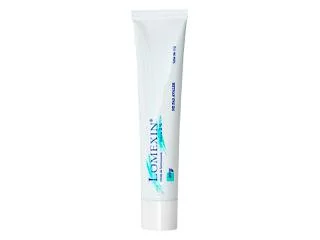
Lomexin Cream
30g
Lomexin Cream is fenticonazole in a 30g tube for candidiasis, applied to the skin. It blocks ergosterol synthesis in the fungal cell membrane.
Key points
- Site matters: white mouth plaques, vulvovaginal itch and thick discharge, and moist skin-fold rash are distinct presentations.
- Antibiotics, diabetes, pregnancy, inhaled corticosteroids and immune suppression can increase risk in different settings.
- Recurrent or treatment-resistant symptoms should be confirmed because dermatitis, bacterial vaginosis and other infections can mimic Candida.
The listings below do not identify the infected site or prove Candida is causing symptoms; treatment should match clinical assessment.
Recognising local disease
Oral thrush often leaves removable white plaques and soreness. Vulvovaginal candidiasis usually causes prominent itch and inflammation rather than a fish-like odour. Skin candidiasis favours warm moist folds with small satellite spots. Swab or microscopy can help when the pattern is atypical or recurrent.
Choosing an antifungal
Topical azoles or nystatin may suit selected local disease, while oral fluconazole has pregnancy, liver and interaction concerns. Recurrent infection may need species identification, diabetes review or a longer clinician-directed plan. Invasive candidiasis is a hospital condition requiring systemic therapy.
When to seek urgent care
Seek urgent care for fever or confusion during major immune suppression, severe swallowing difficulty, inability to keep fluids down, rapidly spreading painful rash or signs of sepsis.