
Terbinafine
Terbinafine treats selected dermatophyte infections. Topical forms suit some skin infections, while oral treatment may be considered for nail or extensive disease after diagnosis.
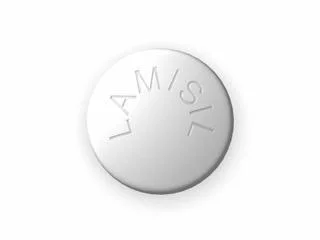
Key points
- Oral and topical terbinafine are not interchangeable, and nail changes need confirmation of fungal infection.
- Oral treatment requires liver and interaction review and can alter taste or smell.
- Jaundice, severe abdominal pain or a blistering rash needs urgent assessment.
Select a listed product and pack to order online. Supply depends on stock and destination rules; ask your doctor or pharmacist whether it suits you.
What Terbinafine is used for
Topical products may be used for tinea pedis and related skin infections. Oral products may be used for confirmed onychomycosis or other selected dermatophyte disease.
How it works
Terbinafine inhibits fungal squalene epoxidase, disrupting ergosterol production and causing squalene accumulation in susceptible fungi.
Important safety checks
Liver disease, pregnancy, psoriasis or lupus history and interacting medicines require review before oral use. Report persistent taste or smell loss, low mood, fever, sore throat or rash. Treatment failure may reflect a non-fungal diagnosis.
When to seek urgent care
Seek urgent help for yellow skin or eyes, dark urine, severe upper-abdominal pain, facial swelling, breathing difficulty, fever with severe illness or a painful blistering or peeling rash.