
 Allergy Relief
Allergy medicines can ease sneezing, a runny or blocked nose, itchy eyes, hives and itching. The best format depends on the symptoms, their cause and whether drowsiness or other adverse effects are a concern.

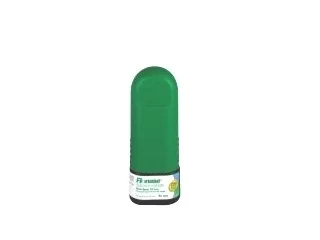
Flonase Nasal Spray
50mcg
Flonase Nasal Spray is fluticasone 50mcg as a nasal suspension for allergic rhinitis, a glucocorticoid applied inside the nose.
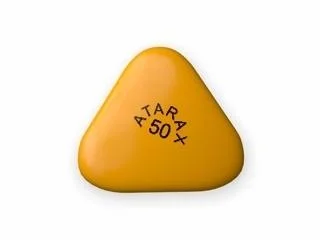
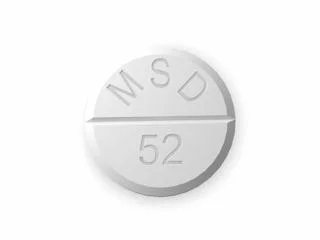

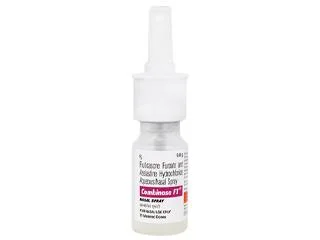
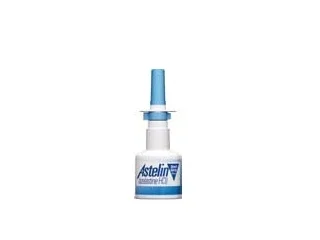
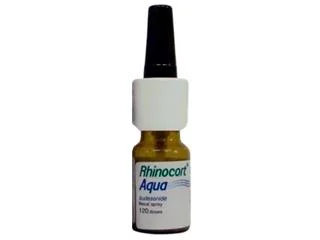
Rhinocort Nasal Spray
64mcg
Rhinocort Nasal Spray is budesonide at 64mcg per spray for allergic rhinitis, a glucocorticoid with strong local action and little beyond it.
Key points
- Less-sedating antihistamines such as fexofenadine and bilastine can still make some people drowsy.
- Nasal treatments such as azelastine and fluticasone target nasal symptoms and need correct, consistent use.
- Antihistamines do not replace emergency treatment for anaphylaxis or other severe allergic reactions.
Listings are for comparison and general information; suitability and supply depend on symptom assessment, medicine history and clinician or pharmacy checks where required.
How the medicine groups differ
Oral antihistamines treat symptoms in several areas of the body. Older or more sedating options, including hydroxyzine and cyproheptadine, may affect alertness and have more anticholinergic effects. Antihistamine nasal sprays can act quickly in the nose, while corticosteroid nasal sprays are often used for ongoing nasal inflammation.
What these medicines are used for
This category includes medicines used for allergic rhinitis, urticaria and pruritus. Persistent symptoms can have non-allergic causes, so repeated self-treatment without improvement warrants assessment.
Important safety checks
Check for drowsiness before driving or operating machinery, and avoid alcohol or other sedating medicines unless a clinician or pharmacist says the combination is appropriate. Age, pregnancy, glaucoma, urinary problems and other medicines can affect which antihistamine is suitable.
When to seek urgent care
Call for emergency help for breathing difficulty, wheezing, throat or tongue swelling, faintness, or a rapidly worsening widespread reaction. Seek prompt assessment for hives with fever, blistering, painful skin or mouth sores.
Further reading
Related articles

Understand Singapore's GSL, Pharmacy-Only and Prescription-Only medicine classes, and why catalogue visibility does not decide suitability or supply.
Read guide
Compare oral antihistamines, steroid nasal sprays, combination sprays, decongestants and montelukast for allergic rhinitis without treating them as interchangeable.
Read guide
Compare older sedating and newer less-sedating antihistamines, including driving, alcohol, duplicate products and why individual drowsiness varies.
Read guide
Understand how allergy injections and under-the-tongue immunotherapy differ, why testing alone is not enough, and what safety and time commitments matter.
Read guide