
Allergic Rhinitis
Allergic rhinitis is inflammation inside the nose caused by allergens, producing sneezing, itching, watery discharge and congestion, often with itchy or watery eyes.

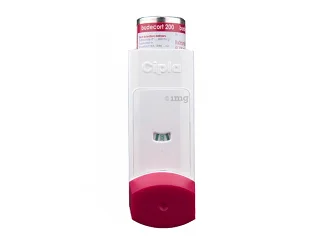

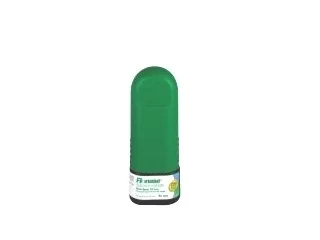
Flonase Nasal Spray
50mcg
Flonase Nasal Spray is fluticasone 50mcg as a nasal suspension for allergic rhinitis, a glucocorticoid applied inside the nose.
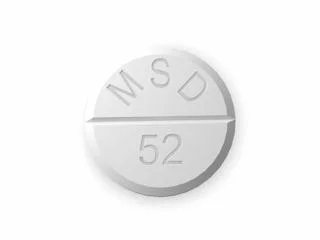

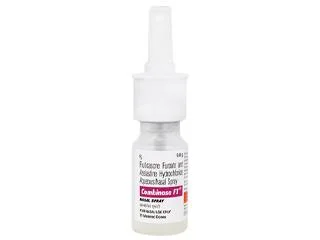
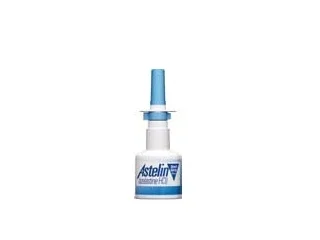
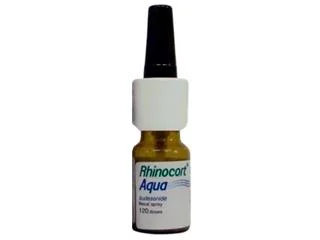
Rhinocort Nasal Spray
64mcg
Rhinocort Nasal Spray is budesonide at 64mcg per spray for allergic rhinitis, a glucocorticoid with strong local action and little beyond it.
Key points
- Symptom timing and triggers help distinguish intermittent exposure from persistent allergy and guide avoidance measures.
- Antihistamines mainly help itch, sneezing and runny nose; intranasal corticosteroids are generally more effective for congestion.
- One-sided blockage, recurrent nosebleeds, facial pain or loss of smell may indicate another condition.
The listings below are not a universal combination regimen; symptom pattern, age, pregnancy and other conditions affect selection.
Confirming the pattern
Symptoms may follow pollen, animal, dust-mite or mould exposure and can disrupt sleep or concentration. Examination helps identify polyps, infection or structural blockage. Allergy testing is useful when the suspected trigger is unclear or the result would change avoidance or immunotherapy decisions.
Using treatments well
Saline rinsing can reduce allergen load. A non-sedating antihistamine may suit prominent itch and sneezing, while a correctly used nasal corticosteroid needs regular use for best effect. Technique matters: aim the spray away from the septum. Decongestant sprays should be brief because prolonged use can worsen blockage.
When to seek urgent care
Allergic rhinitis itself is rarely an emergency. Call emergency services for tongue or throat swelling, wheezing, breathing difficulty, faintness or collapse, which suggest a more serious systemic reaction.
Further reading
Related articles

22 Sept 2026 ⋅ 7 min read
Allergic Rhinitis Medicines: Tablets vs Nasal Sprays
Compare oral antihistamines, steroid nasal sprays, combination sprays, decongestants and montelukast for allergic rhinitis without treating them as interchangeable.
Read guide
22 Sept 2026 ⋅ 7 min read
Allergy Immunotherapy: Injections, Tablets and Treatment Commitment
Understand how allergy injections and under-the-tongue immunotherapy differ, why testing alone is not enough, and what safety and time commitments matter.
Read guide
22 Sept 2026 ⋅ 6 min read
Sedating vs less-sedating antihistamines: what 'non-drowsy' really means
Compare older sedating and newer less-sedating antihistamines, including driving, alcohol, duplicate products and why individual drowsiness varies.
Read guide