
Budesonide
Budesonide reduces inflammation in the airways or nose. Inhalers and nasal sprays have different targets and instructions and are not interchangeable.
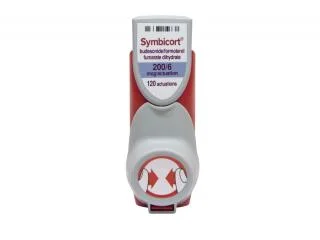
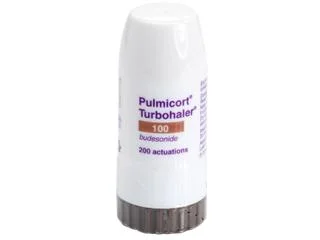
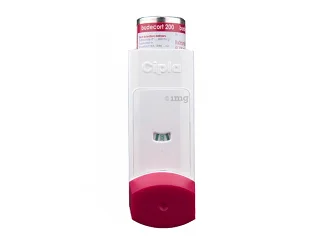
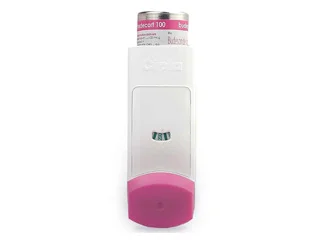
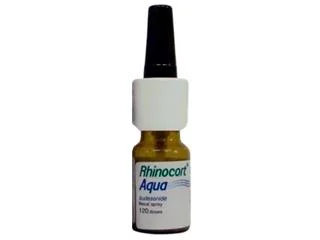
Rhinocort Nasal Spray
Allergic Rhinitis
64mcg
Rhinocort Nasal Spray is budesonide at 64mcg per spray for allergic rhinitis, a glucocorticoid with strong local action and little beyond it.
Key points
- Inhaled budesonide is a controller treatment and does not replace a fast-acting reliever during an acute asthma attack.
- Correct technique, regular use and mouth or nasal care reduce local adverse effects.
- Severe breathlessness, inability to speak normally or poor response to the prescribed reliever plan needs emergency care.
Select a listed product and pack to order online. Suitability and supply depend on clinician and pharmacy checks, stock, destination rules and prescription requirements.
What Budesonide is used for
Inhaled forms may be used for asthma or selected chronic obstructive pulmonary disease regimens. Nasal forms may be used for allergic rhinitis or nasal polyps.
Important form differences
Inhalers deliver medicine to the lower airways; nasal sprays treat nasal tissue. Device technique, strength and combination ingredients must be checked for the individual product.
Important safety checks
Rinse and spit after inhalation to reduce oral thrush. Nasal irritation or bleeding, infection exposure, other corticosteroids and strong CYP3A inhibitors require review. Long-term treatment can have systemic steroid effects and should not be stopped abruptly without advice.
When to seek urgent care
Follow the respiratory action plan and seek emergency help for severe or rapidly worsening breathlessness, blue-grey lips or skin, marked drowsiness, inability to speak normally or poor response to the prescribed reliever.
Further reading
Related articles

22 Sept 2026 ⋅ 7
Asthma Flare-Ups: What a Written Action Plan Should Contain
Understand how a personalised asthma action plan connects daily treatment, early warning signs, reliever instructions and urgent-care decisions.
Read guide
22 Sept 2026 ⋅ 6 min read
Reliever vs Preventer Inhalers: Why the Role Matters More Than Colour
Understand reliever, preventer, AIR and MART inhaler roles, and why ingredients and an asthma action plan matter more than device colour.
Read guide
22 Sept 2026 ⋅ 7 min read
Tablets, Capsules, Liquids, Patches and Inhalers: Why Dosage Form Matters
Understand how dosage form and route affect medicine delivery, label strength and product comparison, and why changing form needs a professional check.
Read guide