
Pruritus
Pruritus is the medical term for itch. When itch is persistent, widespread or occurs without a clear rash, assessment should look beyond symptom relief to the underlying cause.

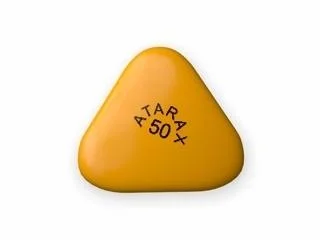
Key points
- Rash appearance and location can suggest a skin cause; itch without a rash may require a medicine review and blood tests.
- Allergy, eczema, scabies, liver or kidney disease, thyroid problems, blood disorders and nerve conditions require different treatment.
- Antihistamines help some histamine-related itch but may cause drowsiness and do not address every mechanism.
Catalogue matches do not identify the cause of itch or show that a medicine is suitable.
What clues help identify the cause?
Timing, distribution, household contacts, new products or medicines and associated symptoms matter. Jaundice, dark urine, weight loss, night sweats or persistent itch without skin changes warrant medical assessment.
Why does treatment vary?
Hydroxyzine may help selected allergy-related itch, while colestyramine has a different role in some cholestatic conditions. Moisturisers and trigger avoidance may help skin-barrier disease; systemic causes need targeted care.
When to seek urgent care
Call emergency services for itch with tongue or throat swelling, breathing difficulty, fainting or a rapidly progressing allergic reaction. Blistering, peeling skin or eye and mouth involvement also needs urgent care.